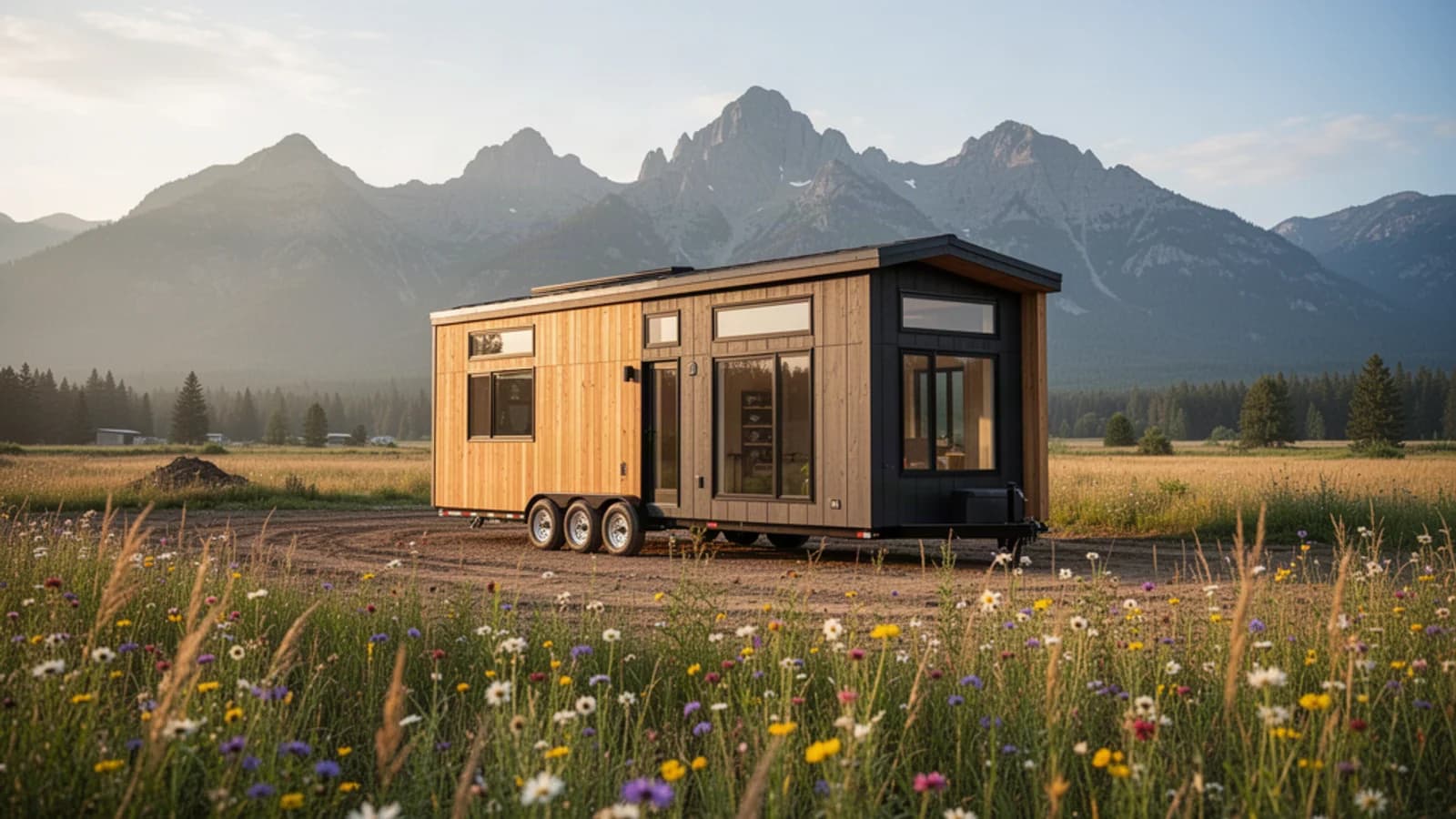
Quick Answer: Tiny homes on foundations are legal in all 50 states, but local county zoning determines minimum size requirements. The most permissive states for tiny homes on vacant land are Missouri, Arkansas, Tennessee, Arizona, Texas, and Oregon. These states have rural counties with no minimum dwelling size or have adopted tiny home appendices to their building codes. Tiny homes on wheels (THOWs) face stricter regulations — most counties classify them as RVs, which are often prohibited as permanent residences.
Some states actively embrace tiny homes with clear legal frameworks. Others treat them as a gray area where local officials have broad discretion to approve or deny. The gap between "technically allowed" and "practically buildable" is where most tiny home projects fail.
State-by-State Overview
Most Permissive States
| State | Foundation Tiny Home | Tiny Home on Wheels | Key Details |
|---|---|---|---|
| Missouri | Yes (many counties) | Varies | Many rural counties have zero building codes for unincorporated land |
| Arkansas | Yes (many counties) | Varies | Similar to MO; very permissive rural counties |
| Tennessee | Yes (some counties) | Limited | No state income tax; some counties have no minimum dwelling size |
| Arizona | Yes (many counties) | Some counties | Some counties have adopted tiny home provisions |
| Texas | Yes (many counties) | Varies | No building codes in many rural counties outside city limits. Spur, TX is officially "tiny home friendly" |
| Oregon | Yes (statewide) | Some areas | Oregon adopted Appendix Q (tiny home standards) statewide. Progressive regulations |
| New Mexico | Yes (many counties) | Some areas | Taos County allows earthships and alternative structures |
Moderately Permissive
- Colorado — several counties have adopted tiny home-friendly codes. Park County and Weld County are notable
- Georgia — varies by county. Some rural counties are permissive
- North Carolina — Charlotte and some counties have updated codes for tiny homes
- Florida — varies significantly by county. Some areas in North Florida are permissive
Most Restrictive
- New Jersey — strict statewide building codes, minimum size requirements in most jurisdictions
- Connecticut — very limited areas allow tiny homes as primary residences
- Most metro-adjacent counties nationwide — suburban zoning typically requires 600-1,000+ sq ft minimums
IRC Appendix Q: The Tiny Home Building Code
The International Residential Code (IRC) adopted Appendix Q in 2018, specifically addressing tiny homes (under 400 sq ft). It covers:
- Minimum ceiling heights (6'8" in lofts with limited headroom)
- Loft access (ladders and alternating tread devices allowed)
- Emergency egress from lofts
- Reduced stair dimensions
States and counties that adopt Appendix Q make it significantly easier to build code-compliant tiny homes. Oregon was the first state to adopt it statewide.
The ADU Loophole
In states where tiny homes face resistance as primary dwellings, they may be allowed as Accessory Dwelling Units (ADUs) on properties that already have a main house. Many states have recently passed ADU-friendly legislation:
- California (SB 9, AB 68) — requires all residential zones to allow ADUs
- Oregon (HB 2001) — allows ADUs on all single-family lots
- Washington — statewide ADU allowance
- Many other states are following suit with ADU legislation
How to Verify Before Buying Land
- Call the county planning/zoning office and ask specifically about minimum dwelling size and tiny home regulations
- Ask whether Appendix Q of the IRC has been adopted
- Ask about tiny homes on wheels vs. foundations — the rules are usually different
- Check for HOA restrictions separately from county regulations
- Get any verbal approvals confirmed in writing
Bottom Line
Tiny homes are legal somewhere in every state, but county-level regulations determine where. The safest approach: buy unincorporated rural land in a permissive county, build on a permanent foundation, and verify regulations before purchasing. Browse affordable rural land on Acre Dreams.
Sources: International Code Council Appendix Q, state building code adoption records, Tiny Home Industry Association, county planning departments, Acre Dreams listing data August 2026.