How to Buy Land: The Complete 2026 Guide for First-Time Buyers
Everything you need to know about buying vacant land — from setting your budget to closing day.

Quick Answer
Define Your Purpose
Land Purpose Comparison
| Purpose | Typical Size | Budget Range | Key Requirements |
|---|---|---|---|
| Homestead / Build | 1-10 acres | $10,000-$150,000+ | Road access, utilities, zoning for residential |
| Recreation / Hunting | 5-40 acres | $15,000-$250,000+ | Privacy, terrain, game population |
| Investment / Hold | 1-20 acres | $5,000-$100,000+ | Growth corridor, low taxes, resale potential |
| Agriculture / Farm | 10-100+ acres | $20,000-$1,000,000+ | Soil quality, water rights, zoning |
Source: Acre Dreams listing data and Realtor.com Q1 2026 land market report
Understanding Lots, Plots, and Acreage
Current Land Prices by State
| State | Listings | Median $/Acre | Range |
|---|---|---|---|
| Wisconsin | 2 | $9,800 | $7,000 - $9,800 |
| Mississippi | 2 | $7,000 | $4,900 - $7,000 |
| Louisiana | 2 | $9,500 | $8,980 - $9,500 |
| Georgia | 2 | $9,000 | $6,500 - $9,000 |
| Alabama | 1 | $3,153 | $3,153 - $3,153 |
| Florida | 1 | $35,000 | $35,000 - $35,000 |
Set Your Budget and Financing
Calculate Total Costs
Choose Your Financing Method
Financing Options Compared
Owner Financing
Most accessible option
- •Down payment negotiable with seller
- •Interest: negotiable (typically 8-12%)
- •Term: 3-10 years
- •No credit check needed
Bank / Credit Union
Traditional financing
- •Down: 20-50%
- •Interest: 6-9% (avg 7.1% in 2026)
- •Term: 10-20 years
- •Credit check required
Cash Purchase
Best price, fastest closing
- •Often 10-30% discount
- •Close in 2-4 weeks
- •No interest costs
- •Strongest negotiating position
Owner Financing Availability
100%
Offer Owner Financing
10
Financing Listings
10
Total Active Listings
Find the Right Lot or Parcel
Due Diligence Checklist
Access & Roads
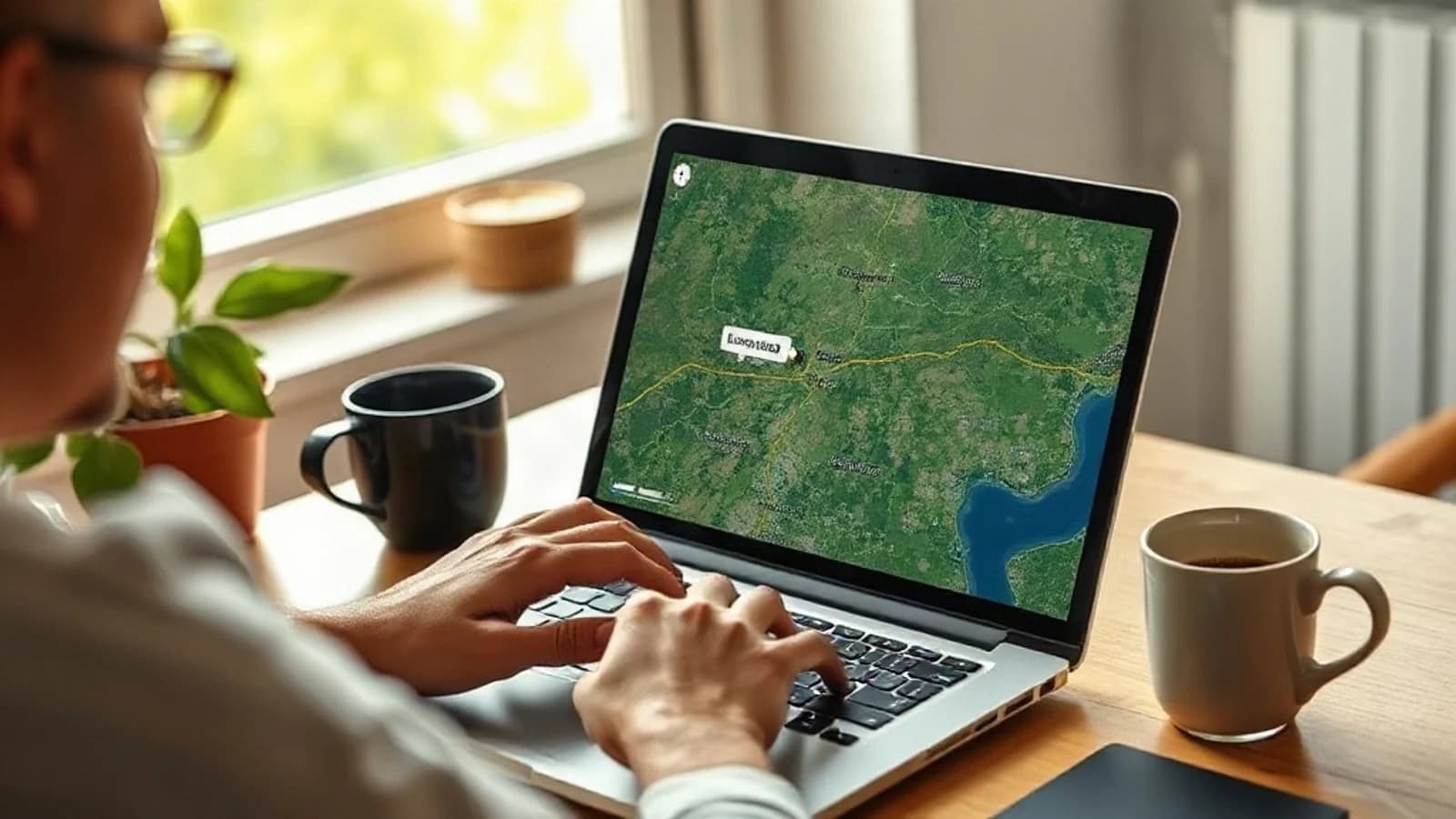
Verify public road frontage or recorded easement. Check if the road is county-maintained or private. Use Google Maps satellite view to confirm physical access matches the legal description.
Zoning & Permitted Uses
Contact county planning office. Confirm your intended use is permitted. Check setbacks, minimum lot size, and whether mobile homes or RVs are allowed during construction.
Utilities
Check distance to power lines, water, and sewer. Bringing utilities to a remote parcel can cost $10,000-$50,000+. Off-grid options (solar, well, septic) are alternatives for remote lots.
Flood Zone
Check FEMA flood maps at fema.gov. Zone X = minimal risk. Zones A, AE = elevated risk requiring flood insurance that can cost $500-$2,000/year.
Title & Ownership
Verify the seller owns the property via county assessor records. Check for back taxes, liens, judgments, and mineral rights reservations. A title agency handles this research.
Property Taxes
Check the county assessor's website for annual tax amounts and any delinquent balances. Rural vacant land taxes are typically $50-$500/year.
Environmental & Soil
Check for wetlands (National Wetlands Inventory), contamination (EPA records), and if building, confirm soil supports a septic system (perc test, $300-$500).
Make an Offer on Land
Title Search, Title Agency, and Survey

Close the Deal
Available Inventory by County
| County | Parcels | Total Acres |
|---|---|---|
| Polk, Wisconsin | 2 | 22 |
| Prentiss, Mississippi | 2 | 15 |
| Allen, Louisiana | 2 | 15 |
| Burke, Georgia | 2 | 15 |
| Barbour, Alabama | 1 | 19 |
| Washington, Florida | 1 | 1 |
Common Mistakes When Buying Land
2. Skipping the title search — Hidden liens, back taxes, or ownership disputes can cost you the entire investment. Always use a title agency.
3. Ignoring zoning restrictions — Buying a lot to build a home only to discover the zoning doesn't allow residential construction or requires a minimum 2,000 sq ft structure.
4. Underestimating utility costs — Bringing power 1/4 mile to a remote lot can cost $10,000-$25,000. Wells cost $5,000-$15,000.
5. Buying sight-unseen without research — At minimum review satellite imagery, county GIS maps, and FEMA flood data before purchasing any parcel.
How to Purchase Land: Step-by-Step Summary
Ready to Find Your Land?
Acre Dreams lists affordable vacant land, lots, and parcels across the United States with owner financing, detailed parcel maps, and direct seller contact. No agent commissions, no hidden fees.
Frequently Asked Questions
How much does an acre of land cost in 2026?
▼
The average price per acre varies enormously by location and development status. According to 2026 USDA data, the national average for farmland is $4,500 per acre. However, Realtor.com reports the median listing price for all land types at $62,365 per acre as of Q1 2026 — reflecting that most parcels on the market are partially developed or build-ready. Rural recreational land typically ranges from $3,000 to $12,000 per acre in popular states, while raw land near growing suburbs can cost $20,000 to $150,000+ per acre. Land prices have risen approximately 77% since the pandemic.
Can I buy land with a low down payment?
▼
Yes. Many land sellers offer owner financing where the down payment amount is negotiable directly with the seller. Traditional bank loans for vacant land typically require 20-50% down. Owner financing through direct sellers is the most accessible option — contact the seller to discuss terms that work for both parties.
Is buying vacant land a good investment?
▼
Vacant land can be an excellent low-maintenance investment. Land requires no tenants, repairs, or insurance. Rural land has historically appreciated 3-8% annually, and land in the path of suburban growth can appreciate 10-20% per year. Holding costs are minimal — typically just $50 to $500 per year in property taxes.
What should I check before buying land?
▼
Essential due diligence includes: verifying legal road access, checking county zoning and permitted uses, confirming utility availability (power, water, sewer), reviewing FEMA flood zone maps, running a title search for liens or encumbrances, confirming current property taxes, and checking for any HOA restrictions.
How do I finance a land purchase?
▼
Three main options: owner financing (seller acts as the bank — down payment and terms are negotiable directly with the seller), local bank or credit union land loans (typically require 20-50% down with higher interest rates than mortgages), or personal savings for cash purchases which often get 10-30% discounts.
What is owner financing for land?
▼
Owner financing means the property seller finances the purchase directly. You make monthly payments to the seller instead of a bank. Down payment amounts, interest rates, and repayment terms are all negotiable with the seller. No credit check or bank approval is needed, and a title company handles closing to protect both parties.
How long does it take to buy land?
▼
Most land transactions close within 2-4 weeks, including time for title search, document preparation, and recording. The process is significantly faster than buying a home because there are no inspections, appraisals, or mortgage contingencies required. Working with a title company keeps the process on track.
Do I need a realtor to buy land?
▼
No, a realtor is not required to buy land. Many land transactions happen directly between buyer and seller, especially with owner-financed properties. However, you should use a title agency or closing attorney to handle the title search, prepare documents, and record the deed. Buying direct from sellers often means no agent commissions, resulting in lower prices.
References & Further Reading
- USDA Land Values 2026 Summary (accessed 2026-08-22)
- Realtor.com Land Market Report Q1 2026 (accessed 2026-08-22)
- Federal Reserve Bank of Chicago AgLetter Q1 2026 (accessed 2026-08-22)
- American Land Title Association - Title Defect Statistics (accessed 2026-08-22)
- FEMA Flood Map Service Center (accessed 2026-08-22)
- National Wetlands Inventory (accessed 2026-08-22)
- IRS Topic 409 - Capital Gains and Losses (accessed 2026-08-22)
- National Association of Realtors - Land Information (accessed 2026-08-22)
This guide is for informational purposes only and does not constitute legal, financial, or tax advice. Consult with qualified professionals before making real estate decisions.