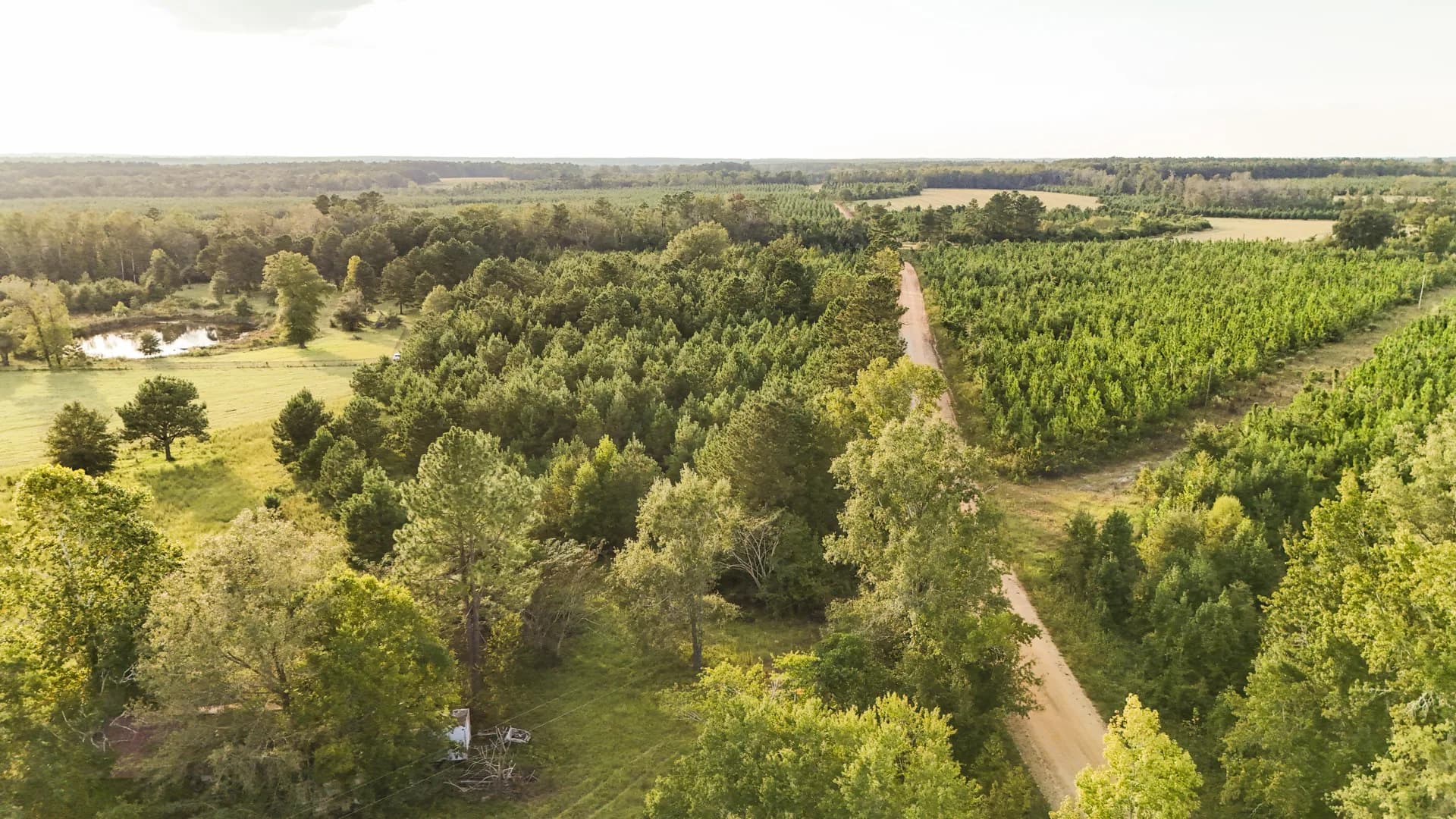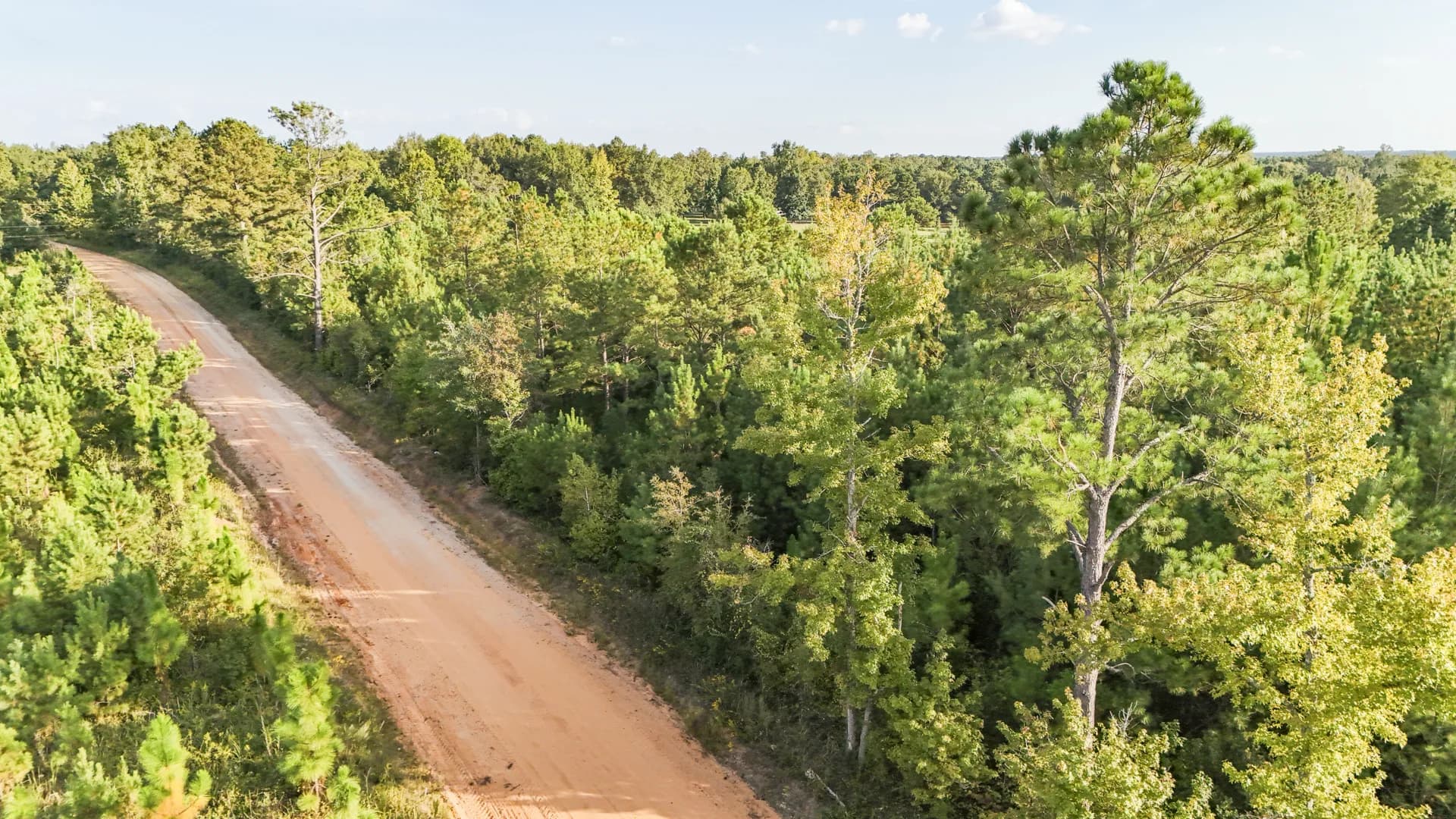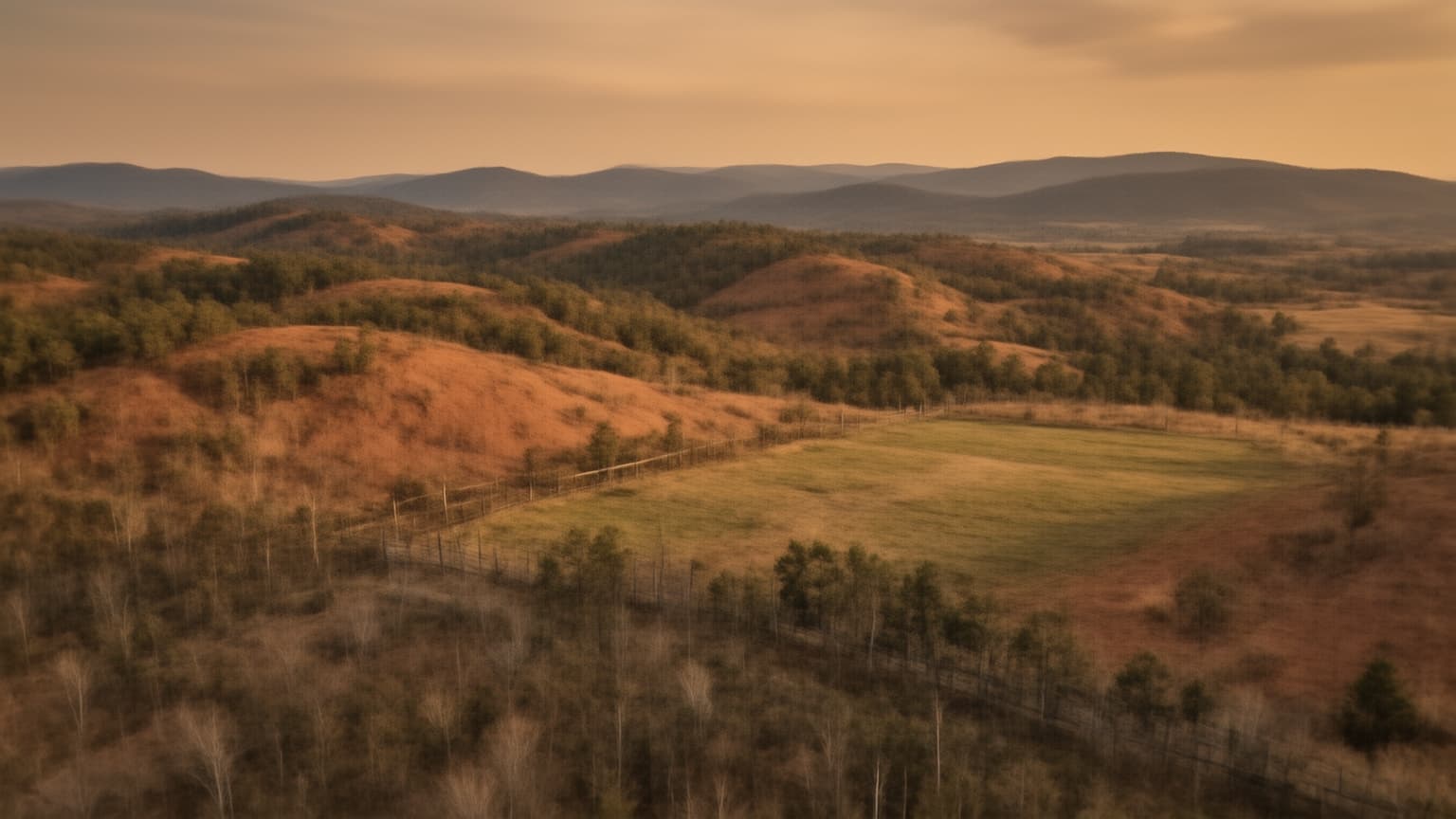
2 properties available across 1 county
2
Properties
15
Total Acres
$55,000
Avg. Price
$45,000
Starting At
Last updated: Sep 10, 2026
Georgia offers a compelling mix of affordable acreage and geographic diversity, from the Blue Ridge Mountains in the north through the rolling Piedmont to the flat Coastal Plain stretching to the Atlantic. Per-acre prices vary widely -- mountain parcels in the northeast command premium pricing while south Georgia pine tracts and agricultural land remain among the most affordable in the Southeast. The state's red clay soils support timber, row crops, and livestock operations, while extensive river systems (Chattahoochee, Oconee, Altamaha, Savannah) provide water access and riparian habitat. Georgia's property tax system benefits rural landowners through the Conservation Use Valuation Assessment (CUVA) program, which can significantly reduce annual taxes on qualifying timber, agricultural, and conservation parcels by assessing them at use value rather than fair market value. The state's long growing season (200-270 frost-free days), moderate winters, and 48-55 inches of annual rainfall create favorable conditions for food plots, orchards, and managed timber. With no estate tax and a relatively low income tax rate, Georgia attracts investors and retirees seeking affordable rural property within easy reach of major metro areas like Atlanta, Savannah, and Augusta.
Conservation Use Valuation Assessment (CUVA) can significantly reduce property taxes on qualifying rural land. No state estate or inheritance tax. Diverse terrain from mountains to coast offers options for every buyer. Long growing season (200-270 frost-free days) supports food plots and agriculture. Strong hunting opportunities -- Georgia is regarded as a top whitetail deer state. Owner financing commonly available on rural parcels. Strong timber markets with active pine and hardwood mills across the state. Relatively low cost of living compared to neighboring states. Extensive river systems provide water access and recreation. Proximity to Atlanta metro creates strong long-term land value appreciation in surrounding counties.
Timberland (managed pine plantation and natural hardwood stands), Agricultural cropland (row crops, peanuts, cotton, pecans), Pastureland and cattle ranches, Hunting and recreational land (managed wildlife habitat), Mountain parcels (Blue Ridge foothills, scenic views), Residential rural acreage (homestead sites 2-20 acres), Mixed-use parcels (timber + pasture + homesite), Riverfront and creek-front tracts
Georgia combines affordable per-acre prices with strong property tax incentives through the Conservation Use Valuation Assessment (CUVA) program, which can significantly reduce annual property taxes on qualifying timber, agricultural, and conservation land. The state has no estate tax, a long growing season, diverse terrain from mountains to coast, and strong hunting and timber markets. Owner financing is widely available on rural parcels. As with any land purchase, thorough due diligence — including verifying zoning, access, utilities, and tax status — is essential before buying.
Georgia assesses property at a percentage of fair market value, with local millage rates varying by county. Rural landowners may qualify for the Conservation Use Valuation Assessment (CUVA) program, which taxes qualifying land based on its agricultural or timber use value rather than market value — potentially resulting in significant tax savings on enrolled parcels. CUVA requires a multi-year covenant and has specific eligibility requirements. Tax rates, assessment methods, and program rules vary by county and can change over time. Contact your county tax assessor's office or a local tax professional to understand current rates and determine if a specific property qualifies for CUVA.
Georgia generally permits hunting on private land during established seasons with a valid state hunting license, and the state is widely regarded as one of the top whitetail deer and turkey destinations in the Southeast. However, whether you can hunt on a specific parcel depends on several factors, including county or municipal ordinances (some restrict firearm discharge near residences), deed restrictions or covenants that may limit hunting activity, property size and proximity to neighboring structures, and any conservation easement or wetland restrictions. Hunting regulations — including season dates, bag limits, and legal methods — are set annually by the Georgia Department of Natural Resources and can change. Contact Georgia DNR and your county government to confirm current rules for any property you are considering.
North Georgia (Blue Ridge region) offers mountain terrain, scenic views, cooler climate, and proximity to outdoor recreation but generally commands higher per-acre prices. South Georgia features flat to gently rolling Coastal Plain with pine timber, agricultural land, and hunting tracts at lower prices. The Piedmont region between them offers a balance of rolling hills, moderate prices, and access to Atlanta and other metros. Each region has different soil types, climate patterns, and land use characteristics, so the best fit depends on your goals — whether that is recreation, timber investment, agriculture, or a homestead.
Land use regulations in Georgia vary significantly by county. Some rural counties have minimal zoning restrictions, while others enforce specific rules governing residential construction, manufactured homes, timber harvesting, and agricultural activities. Wetlands — particularly along rivers and in coastal areas — are subject to federal and state protections regardless of county rules. Before purchasing any parcel, contact the county planning and zoning department to confirm what uses are permitted on that specific property. A local real estate attorney can help you understand any deed restrictions, easements, or covenants that may further limit how the land can be used.
Vacant land in Georgia on Acre Dreams averages $55,000 per listing, with an average of $7,333 per acre. Parcels range from 5 to 10 acres, with 100% offering owner financing.
Vacant land in Georgia on Acre Dreams starts at $45,000, with an average listing price of $55,000 and an average price per acre of $7,333. There are 2 parcels currently available across 1 county. Prices and availability are updated regularly.
Yes. Approximately 100% of land listings in Georgia on Acre Dreams offer owner financing with low down payments. Buyers can purchase land without traditional bank loans.
Georgia land offerings on Acre Dreams include rural acreage, hunting land, homestead parcels, recreational land, and timberland. Parcel sizes range from 5 to 10 acres.
Browse available Georgia land listings on Acre Dreams, then contact the seller directly. Many properties are sold by owner (FSBO) with no agent fees. The buying process involves due diligence (checking zoning, access, utilities), making an offer, and closing — which can happen in as little as 3-7 days for cash purchases. Read our complete guide to buying land for detailed step-by-step instructions.