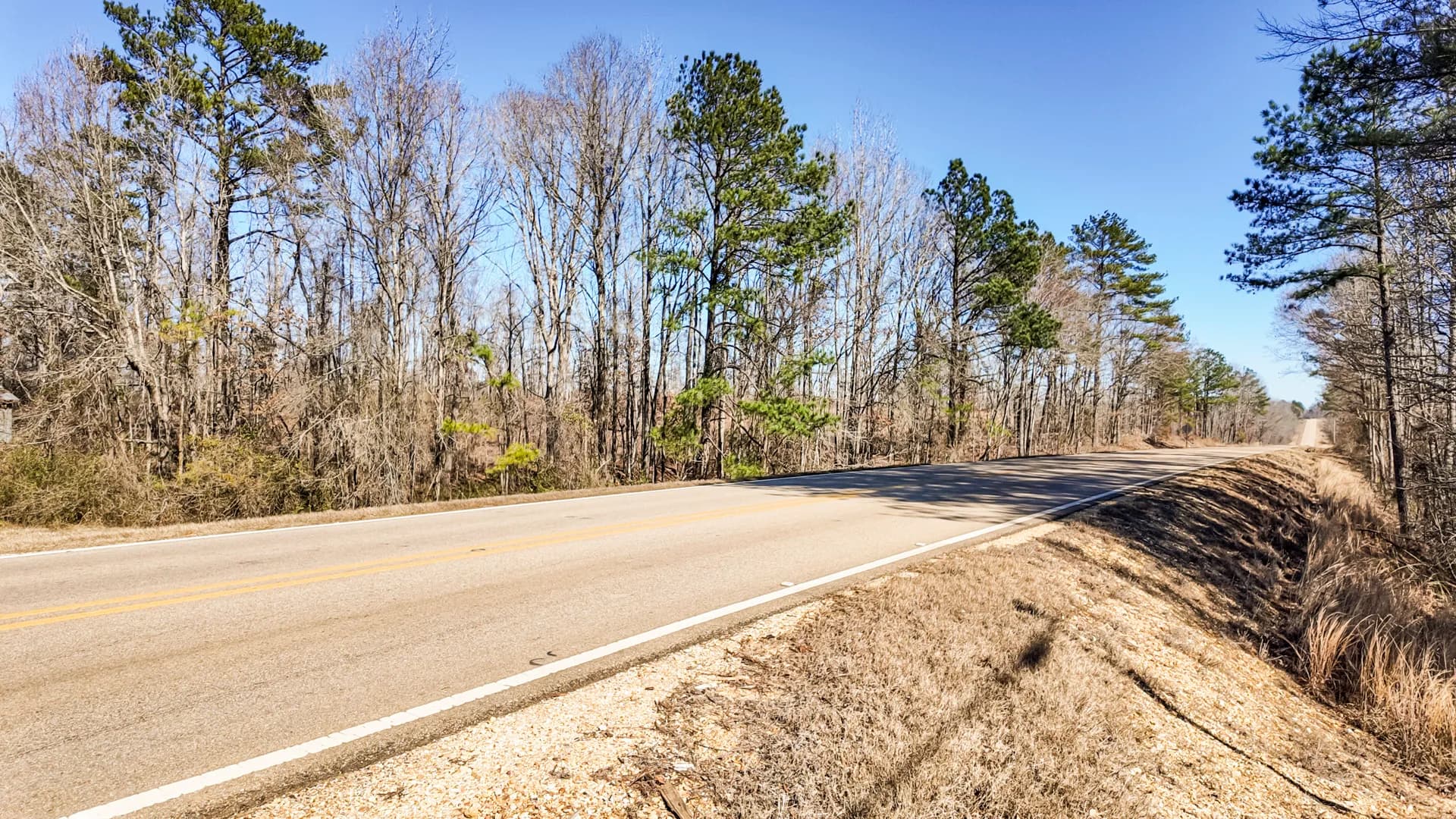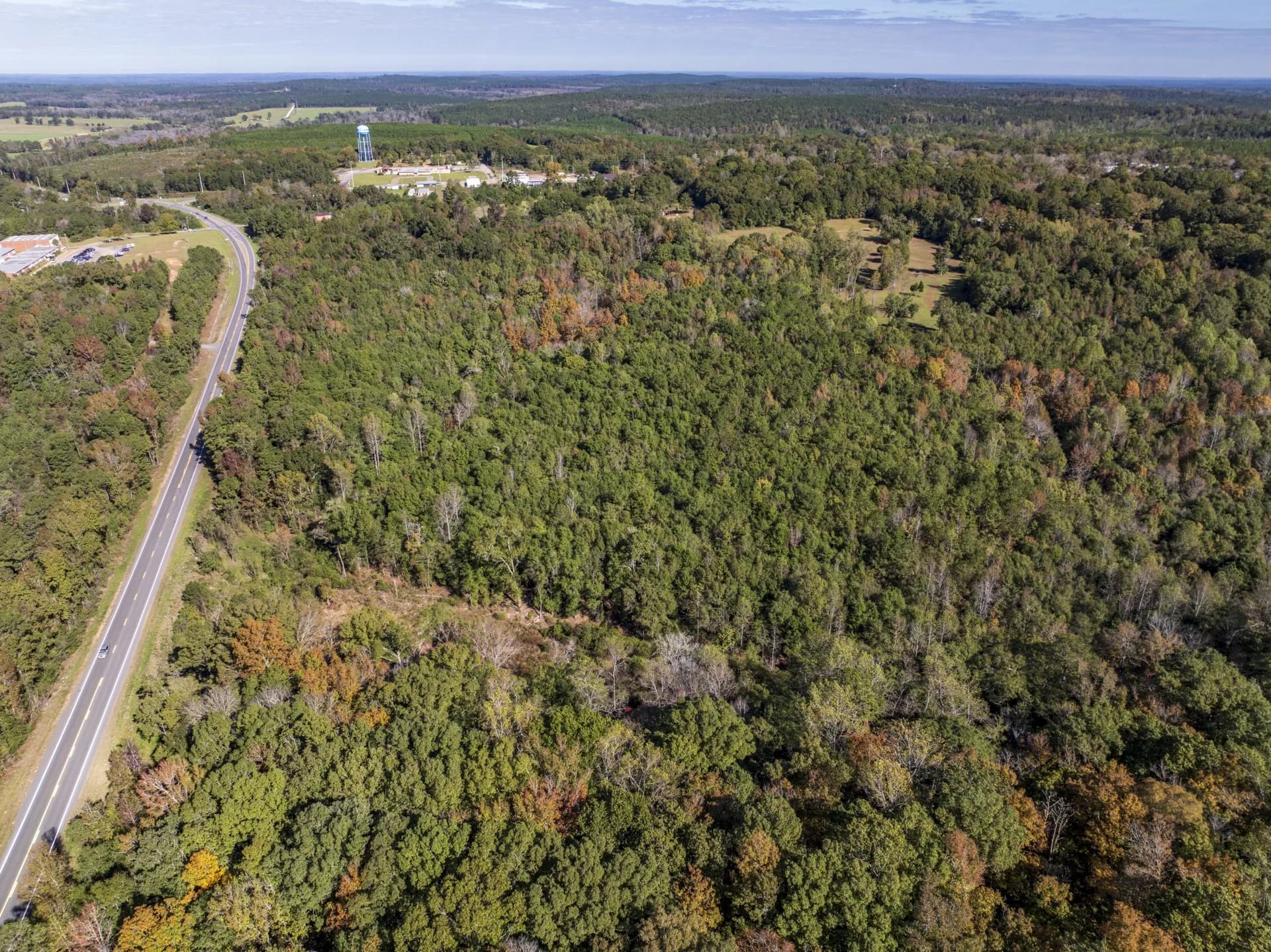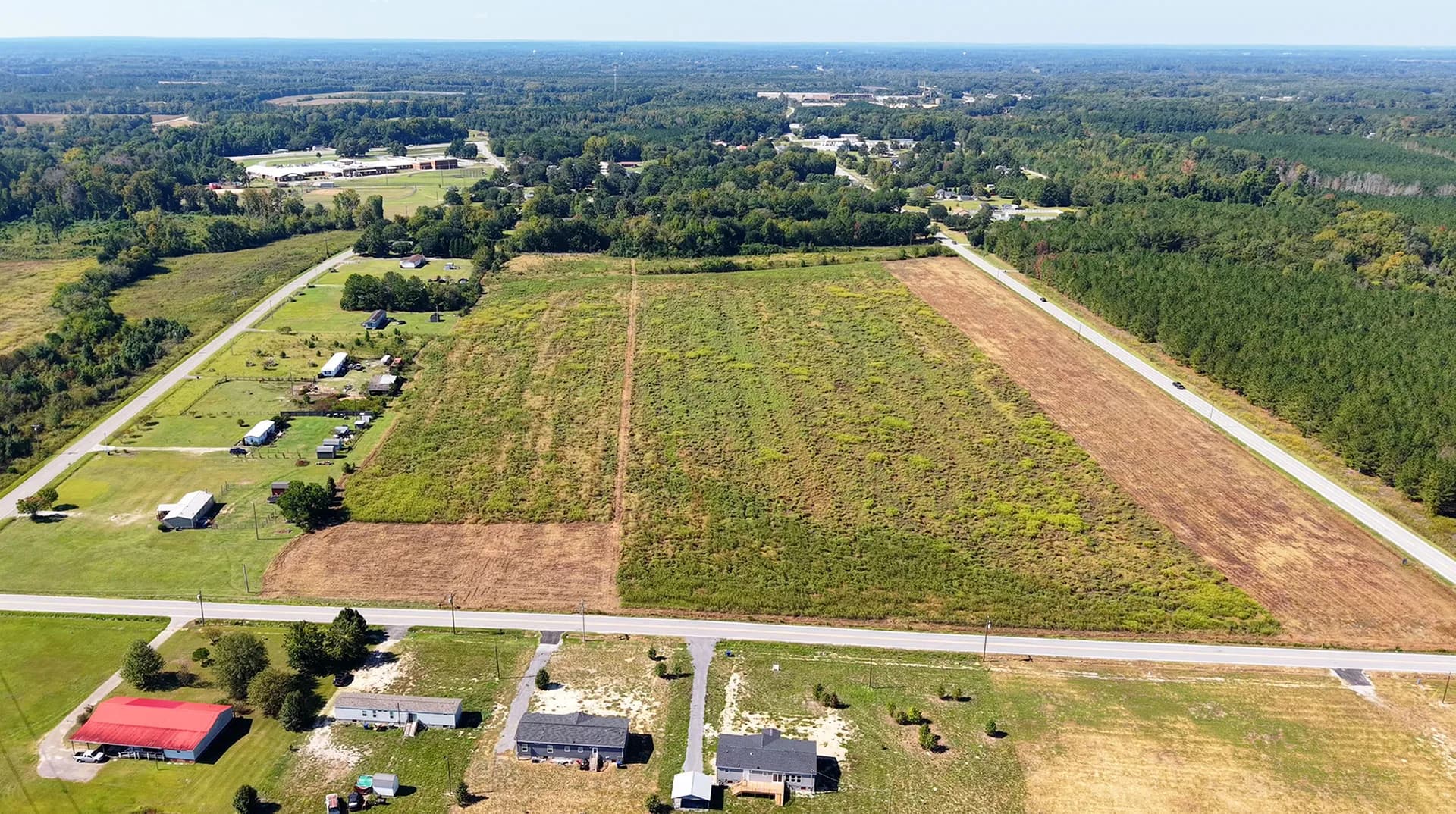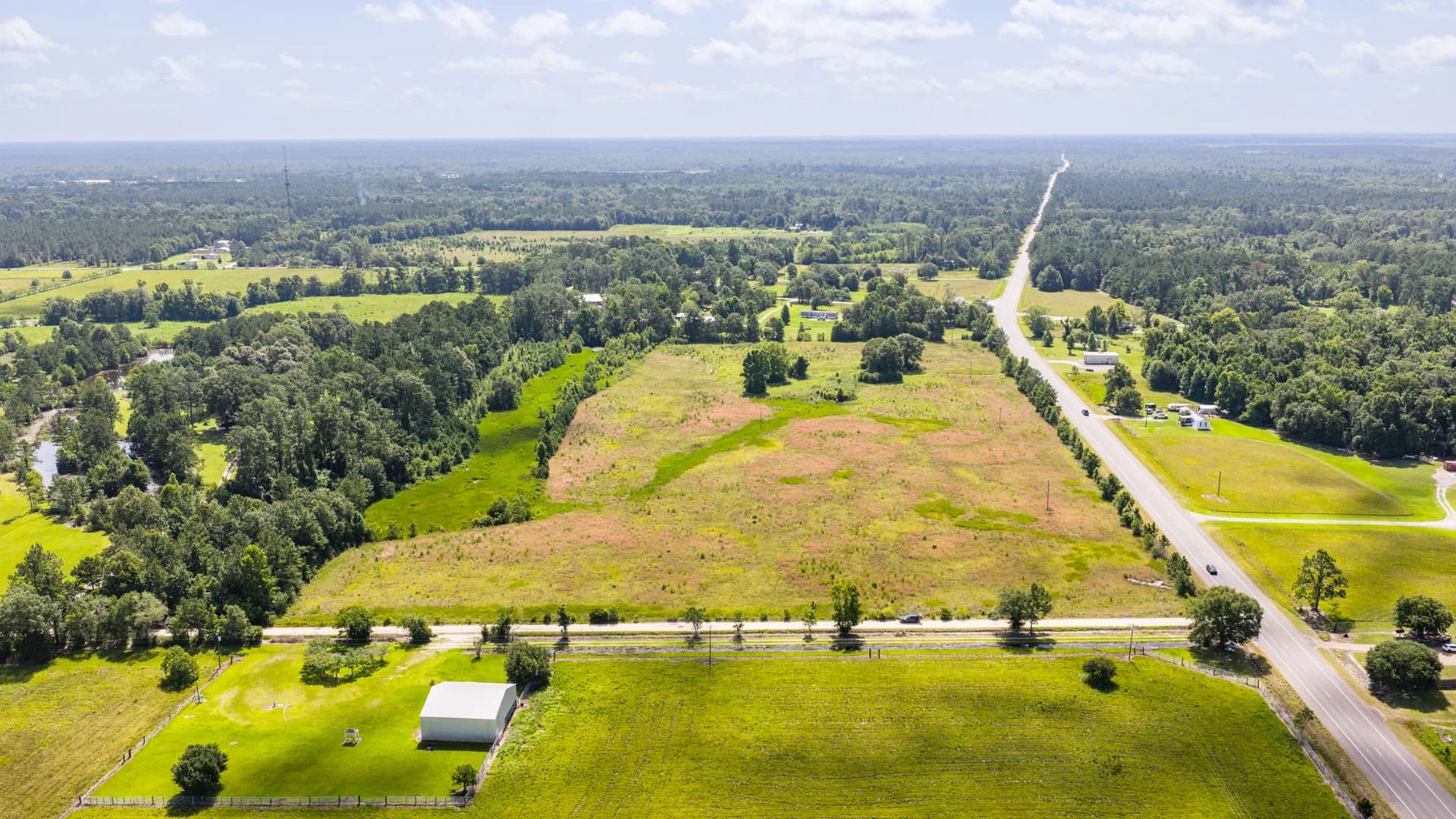
Quick Answer: Quality hunting land combines diverse habitat (mix of timber, edge cover, and openings), year-round water sources, food plot potential, legal road access, and sufficient acreage to manage game movement. Budget 40-100+ acres for meaningful deer hunting property. For whitetail, prioritize properties with hardwood ridges, creek bottoms, and agricultural field edges. Always verify hunting regulations for the specific county before purchasing.
What Makes Land Good for Hunting?
Habitat Diversity
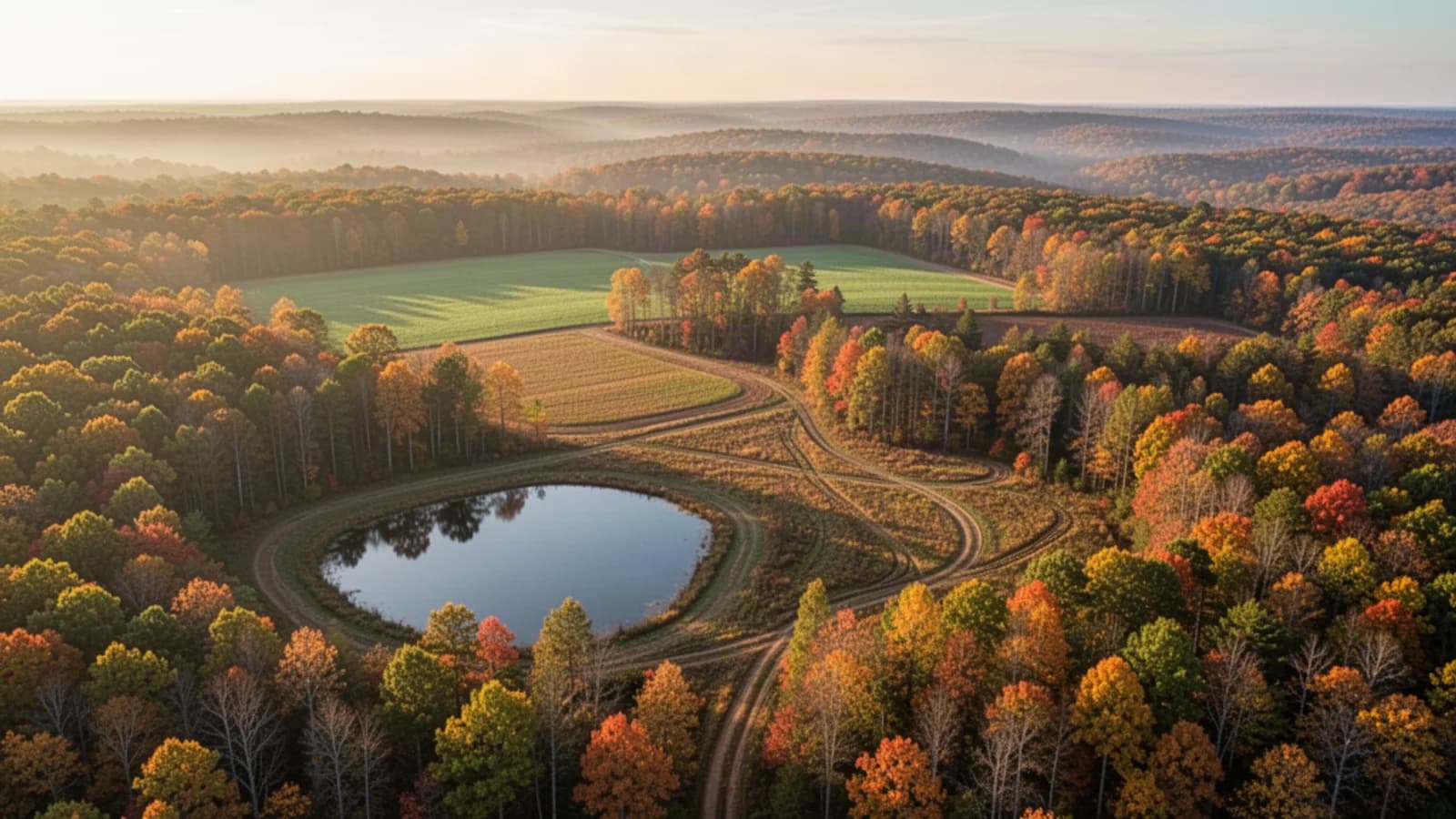
The best hunting properties have a mix of terrain types. For whitetail deer (the most common hunting land target):
- Hardwood ridges: Oak and hickory stands produce mast (acorns, nuts) — the primary food source for deer in fall and winter
- Creek bottoms: Riparian zones provide water, thick cover, and travel corridors
- Edge habitat: Where timber meets openings. This is where deer feed and can be observed
- Openings/clearings: Potential food plot sites. Even 0.5-1 acre clearings can support productive food plots
- Thick cover: Bedding areas where deer feel safe during daylight. Cutover timber, briar thickets, or pine plantations
Water
Year-round water is essential. Deer visit water sources daily, especially in summer. Properties with creeks, springs, or ponds concentrate wildlife activity and provide natural hunting opportunities.
Size
- 20-40 acres: Adequate for small game, turkey, and limited deer hunting. Deer will move on and off the property frequently
- 40-80 acres: Can sustain 1-2 hunting stands and manage some deer movement. Minimum for serious deer management
- 80-200 acres: Allows food plot programs, stand rotation, and year-round deer management. This is the sweet spot for recreational hunting properties
- 200+ acres: Full deer management potential including age/harvest management, multiple hunting setups, and potential lease income
Financial Reality: Own vs. Lease
| Factor | Buying | Leasing |
|---|---|---|
| Upfront cost | $30,000-$200,000+ | $0-$500 (deposit) |
| Annual cost | $500-$2,000 (taxes, insurance, maintenance) | $5-$15/acre/year ($500-$3,000 for 100 acres) |
| Control | Full — you decide who hunts, when, and how | Limited — landowner's rules apply |
| Improvements | You can build food plots, blinds, roads | Usually restricted or require permission |
| Appreciation | Land value builds equity over time | No equity — lease payments are sunk costs |
| Year-round access | Unlimited | Often seasonal only |
Over 10+ years, owning hunting land almost always costs less per-year than leasing, plus you build equity in a real asset.
What to Check Before Buying
- County hunting regulations: Season dates, weapon restrictions, and bag limits vary by county in most states
- Adjacent land use: Is neighboring property also timber/hunting land, or is it being developed? Urban encroachment kills hunting quality
- Access: Can you get trucks/ATVs to the property in all seasons? You need to haul gear and harvested game
- Timber value: Standing timber may represent $500-$5,000+/acre in harvestable value. This can offset purchase price
- Existing improvements: Food plots, blinds, access roads, and camp sites add immediate value
- CRP or conservation programs: Some properties generate annual income from USDA Conservation Reserve Program payments
Best States for Hunting Land (by Game Type)
- Whitetail deer: Missouri, Kansas, Iowa, Illinois, Wisconsin (trophy potential); Mississippi, Alabama, Texas (volume)
- Elk: Montana, Colorado, New Mexico, Oregon
- Turkey: Missouri, Alabama, Mississippi, Tennessee
- Waterfowl: Arkansas, Missouri, Louisiana, Mississippi
- Upland birds: Kansas, South Dakota, Nebraska, Montana
Bottom Line
Buying hunting land is both a recreational and financial investment. Prioritize habitat diversity, water, and sufficient acreage for your target game species. Owner financing makes hunting land accessible — many FSBO sellers offer terms that result in payments comparable to annual lease costs, with the benefit of building equity.
Browse hunting-suitable land on Acre Dreams and check our county data pages for pricing in your target area.
Sources: USDA Conservation Reserve Program, state wildlife agency harvest data, National Deer Association Deer Report, Acre Dreams listing data August 2026.