Quick Answer: The top homestead land priorities are: reliable water source (well or spring), fertile soil with adequate growing season (120+ frost-free days), permissive zoning that allows agricultural structures and livestock, legal road access, and affordable price with owner financing available. Budget $5,000-$30,000 for 5-20 acres in homestead-friendly states, plus $20,000-$50,000 for basic infrastructure (well, septic, power/solar, fencing, outbuildings).
The Homestead Land Checklist
Water (Most Critical)
- Well drilling feasibility — check USGS groundwater depth maps for the area
- Existing well on property (saves $5,000-$15,000)
- Springs or year-round creeks (verify water rights in Western states)
- Annual rainfall — 30+ inches/year ideal for rainfed gardening (NOAA data)
- Rainwater collection legality — legal in all 50 states with minor restrictions in some
Soil and Growing Season
- Soil type — check the USDA Web Soil Survey for your target parcel. Loam and sandy loam are best for gardens
- USDA Hardiness Zone — determines what you can grow. Zones 5-8 offer the most versatile growing conditions
- Frost-free days — 120+ days for most vegetable gardens, 150+ for diverse crops
- Perc test — soil that drains well enough for septic is also generally good for growing
- Pasture potential — if livestock are planned, existing grass/pasture saves years of establishment
Zoning and Legal
- Agricultural zoning — allows livestock, outbuildings, and agricultural structures without residential restrictions
- Livestock allowance — some counties limit animal types or quantities even on agricultural land
- Minimum dwelling size — counties with no minimums allow you to start small and expand
- Raw milk/farm sales — state laws vary on selling farm products. Check your state's cottage food laws
- No HOA or deed restrictions — these can prohibit livestock, outbuildings, and agricultural activity
Access and Infrastructure
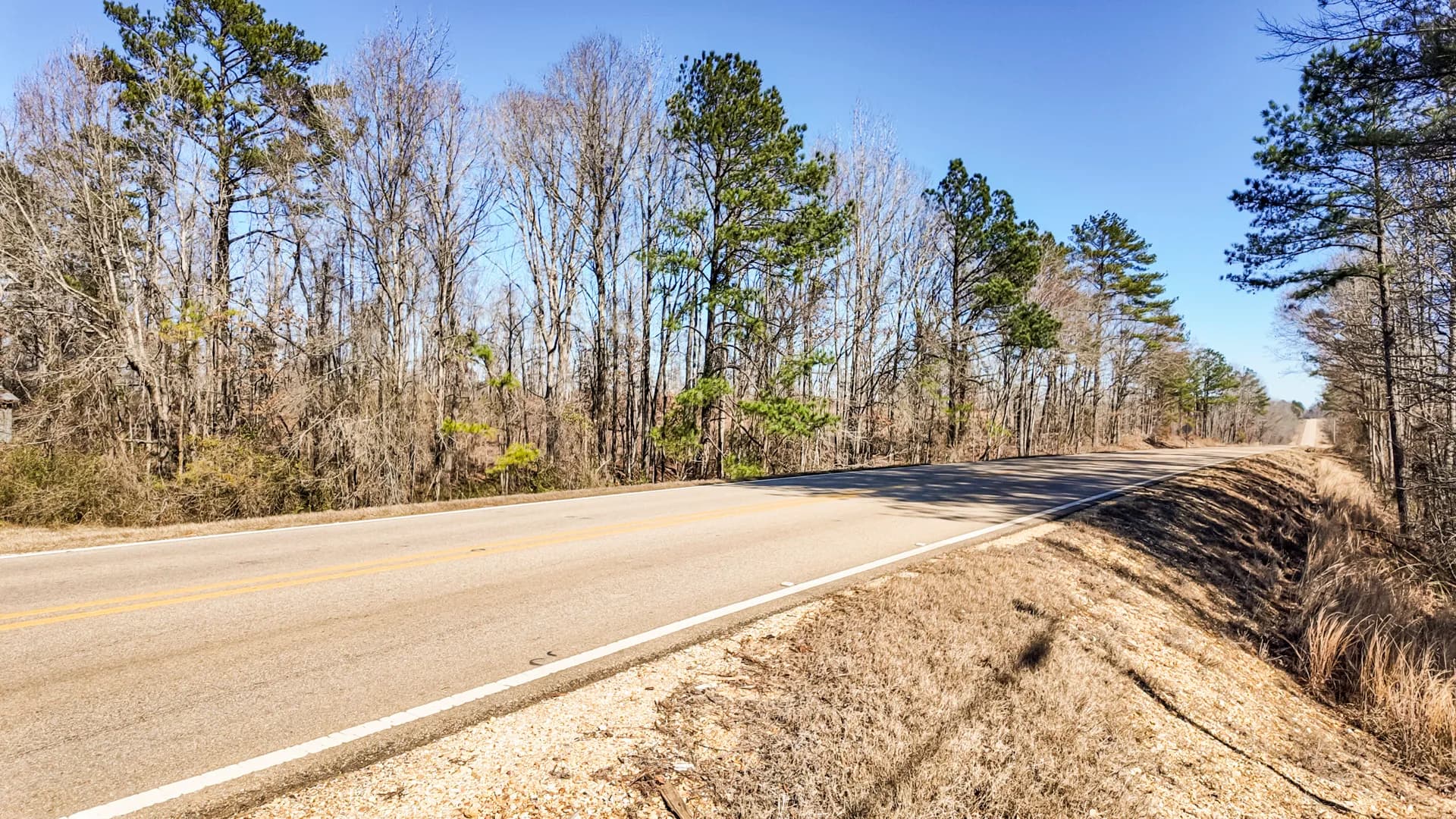
- Legal road access — deeded access from a public road. Not just an informal trail
- All-weather road — gravel minimum. You need year-round access for supply deliveries
- Distance to town — 30-60 minutes to a town with hardware store, feed supply, and hospital is typical
- Cell/internet service — Starlink covers most rural areas ($120/month) but check cell coverage for voice
- Power availability — grid power at property line saves $5,000-$30,000 vs. solar installation
The Property Itself
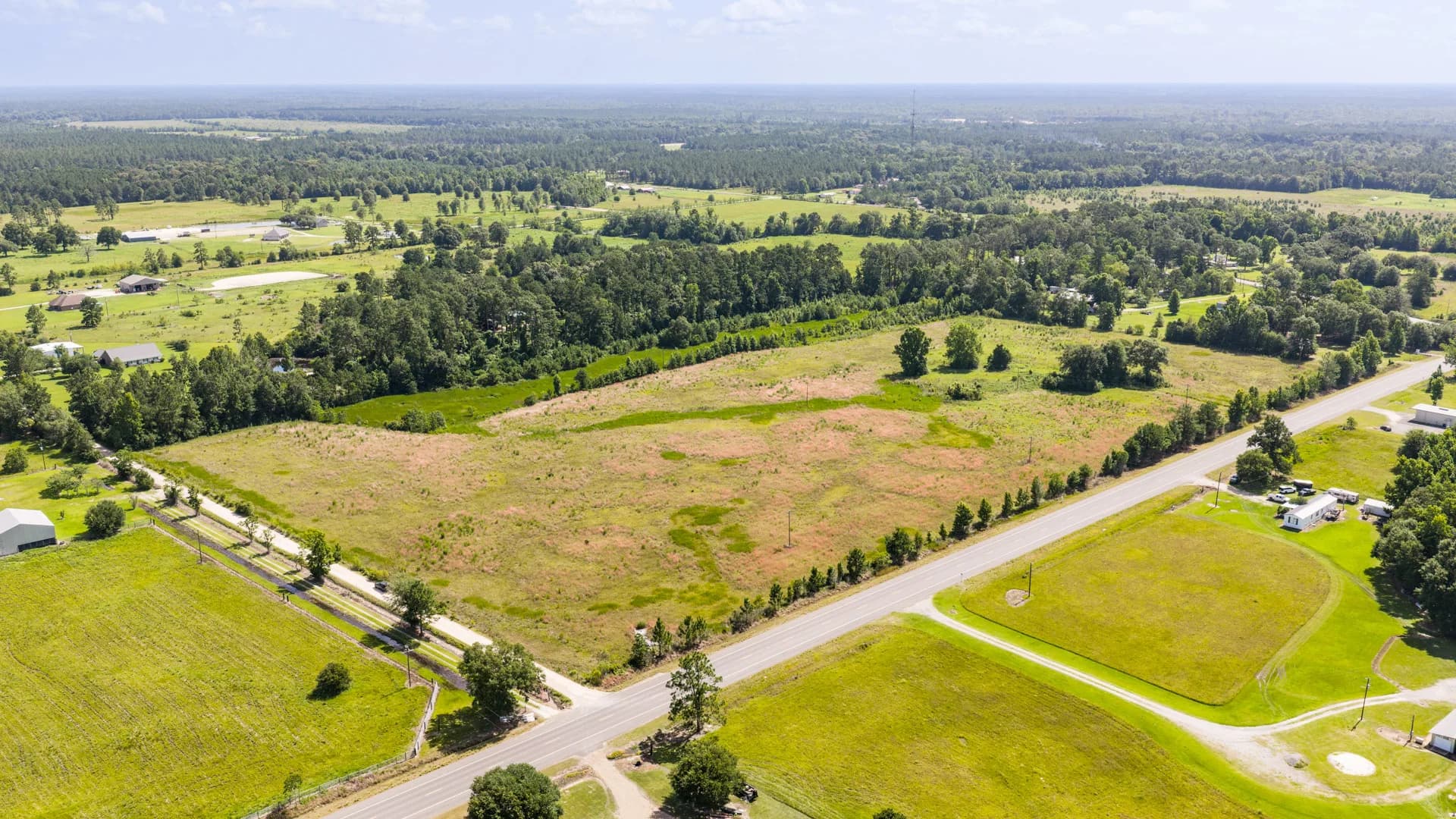
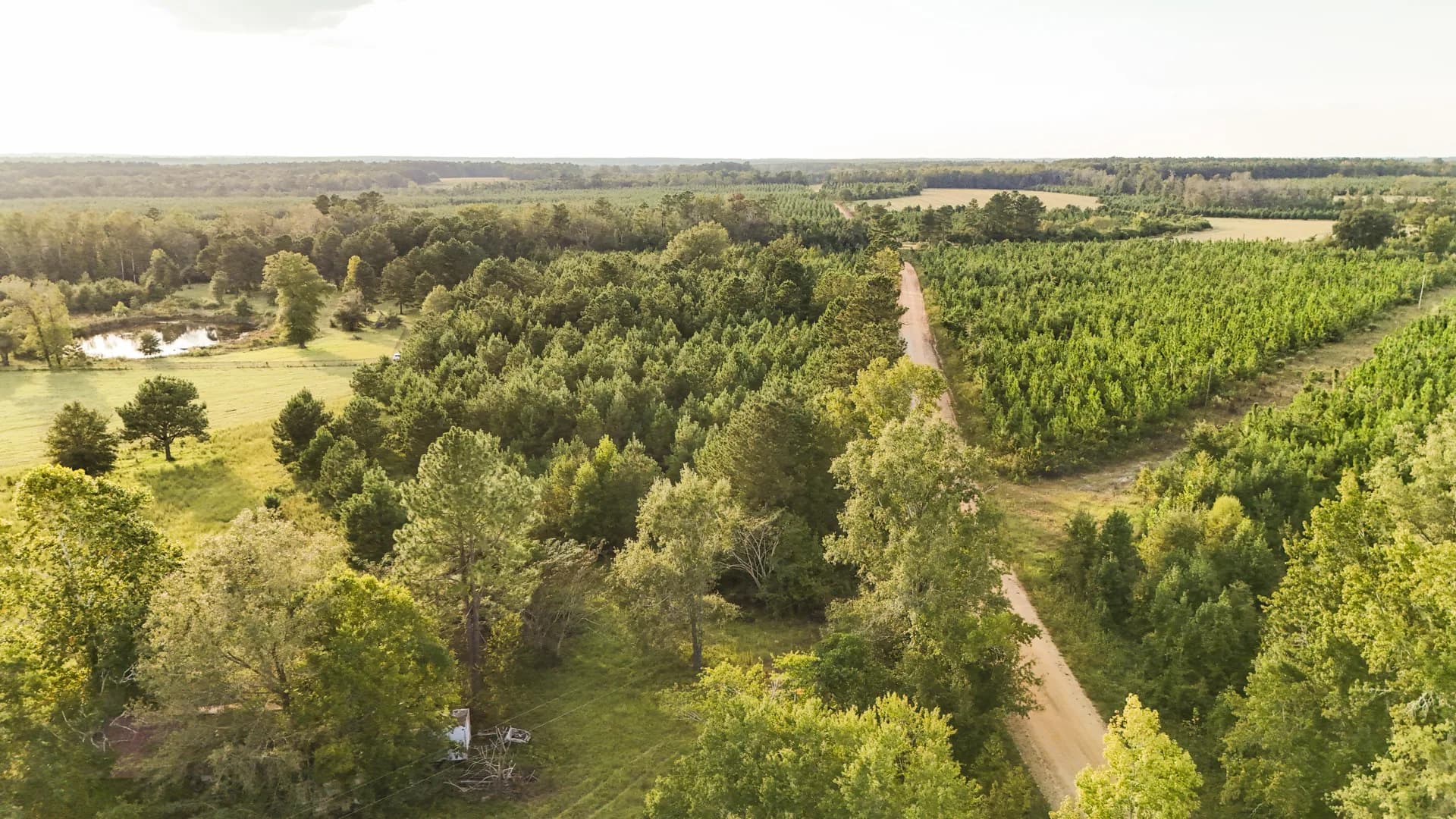
- Mix of terrain — flat area for garden/buildings, wooded area for fuel/timber, and pasture for livestock
- Southern exposure — for garden and solar panel placement
- Natural windbreak — tree lines on north/west sides protect gardens and reduce heating costs
- Water features — ponds for livestock water, irrigation, and fire suppression
- Buildable area — level ground that's not in a flood zone for your house and outbuildings
Best States for Homesteading in 2026
Based on land affordability, zoning permissiveness, growing season, and water availability:
- Missouri — affordable land, no building codes in many counties, excellent water, 180+ frost-free days in southern counties
- Arkansas — similar to Missouri with even lower land prices in some areas. 50+ inches of annual rainfall
- Tennessee — no state income tax, moderate climate, good water resources
- Kentucky — affordable acreage, adequate rainfall, established farming community
- Oklahoma — very affordable, agricultural tradition, but lower rainfall in western counties
Budget Planning
| Item | Budget Range |
|---|---|
| Land (5-20 acres, homestead-suitable) | $5,000-$30,000 |
| Well or water system | $5,000-$15,000 |
| Septic system | $5,000-$15,000 |
| Power (grid or solar) | $5,000-$25,000 |
| Fencing (full perimeter, 10 acres) | $8,000-$20,000 |
| Garden infrastructure | $1,000-$5,000 |
| Basic outbuildings | $2,000-$10,000 |
| Total before dwelling | $31,000-$120,000 |
Bottom Line
Successful homesteading starts with the right land. Prioritize water, soil quality, and zoning above price — cheap land with no water or restrictive zoning will cost you more in the long run. Use our county data pages to identify affordable markets and our state rankings to compare pricing across regions.
Sources: USDA Web Soil Survey, USDA Hardiness Zone Map, USGS Groundwater Resources, NOAA Climate Data, Acre Dreams listing data August 2026.