Quick Answer: Successful homesteading requires: loam or sandy loam soil (check USDA Web Soil Survey), a reliable water source producing 3-5 gallons per minute minimum, at least 120 frost-free days (150+ preferred), 30+ inches annual rainfall, and south-facing terrain for gardens and solar. The USDA Web Soil Survey (free online tool) lets you check soil composition and drainage for any parcel in the US using GPS coordinates.
Soil: The Foundation of Everything
How to Check Soil Before Buying
The USDA Web Soil Survey is a free tool that shows detailed soil composition for any location in the US. Enter GPS coordinates or draw a boundary, and it returns:
- Soil type classification (loam, clay, sand, silt, and combinations)
- Drainage class (well-drained, moderately drained, poorly drained)
- Capability class (I-VIII scale for agricultural productivity)
- Septic suitability
- Erosion risk
Best Soil Types for Homesteading
| Soil Type | Garden Rating | Septic Rating | Notes |
|---|---|---|---|
| Loam | Excellent | Good | Ideal balance of sand, silt, clay. Best all-around homestead soil |
| Sandy loam | Good | Excellent | Drains well, warms early in spring. May need organic amendments for water retention |
| Silt loam | Good | Moderate | Fertile and moisture-retentive but can compact. Good for most crops |
| Clay loam | Moderate | Poor | Fertile but drains slowly. Raised beds recommended. Septic may require engineered system |
| Pure clay | Poor | Poor | Very slow drainage, difficult to work. Extensive amendment needed |
| Pure sand | Poor | Good | Drains too fast, low fertility. Heavy amendment needed but septic works well |
Water: How Much Do You Need?
Household Water
According to USGS Water Use estimates, the average American household uses 82 gallons per day. A homestead with garden irrigation needs more:
- Household use: 50-100 gallons/day (2-4 people)
- Garden irrigation: 25-75 gallons/day per 1,000 sq ft in summer (varies by climate and soil)
- Livestock: Chickens: 0.5 gal/day each. Goats: 2-4 gal/day each. Cattle: 10-20 gal/day each
- Total for small homestead: 100-300 gallons/day
Well Flow Rate
A well producing 3 gallons per minute (GPM) delivers 4,320 gallons/day — more than sufficient. Even 1 GPM (1,440 gal/day) works with a storage tank. Wells under 0.5 GPM may need supplemental water (rainwater, bulk delivery).
Growing Season Requirements
| Frost-Free Days | What You Can Grow | Where This Exists |
|---|---|---|
| 90-120 days | Cool-season crops: lettuce, peas, root vegetables, brassicas | Northern states, mountain areas |
| 120-150 days | Add: tomatoes, peppers, beans, squash, corn | Upper Midwest, Pacific NW, mid-altitude |
| 150-200 days | Add: watermelon, sweet potatoes, okra, extended harvest | Southern Midwest, Mid-Atlantic, Ozarks |
| 200+ days | Year-round: citrus, figs, multiple crop rotations per year | Deep South, Gulf Coast, SW desert |
Check your target area's frost-free days using NOAA Climate Normals data or the USDA Plant Hardiness Zone Map.
Terrain and Orientation
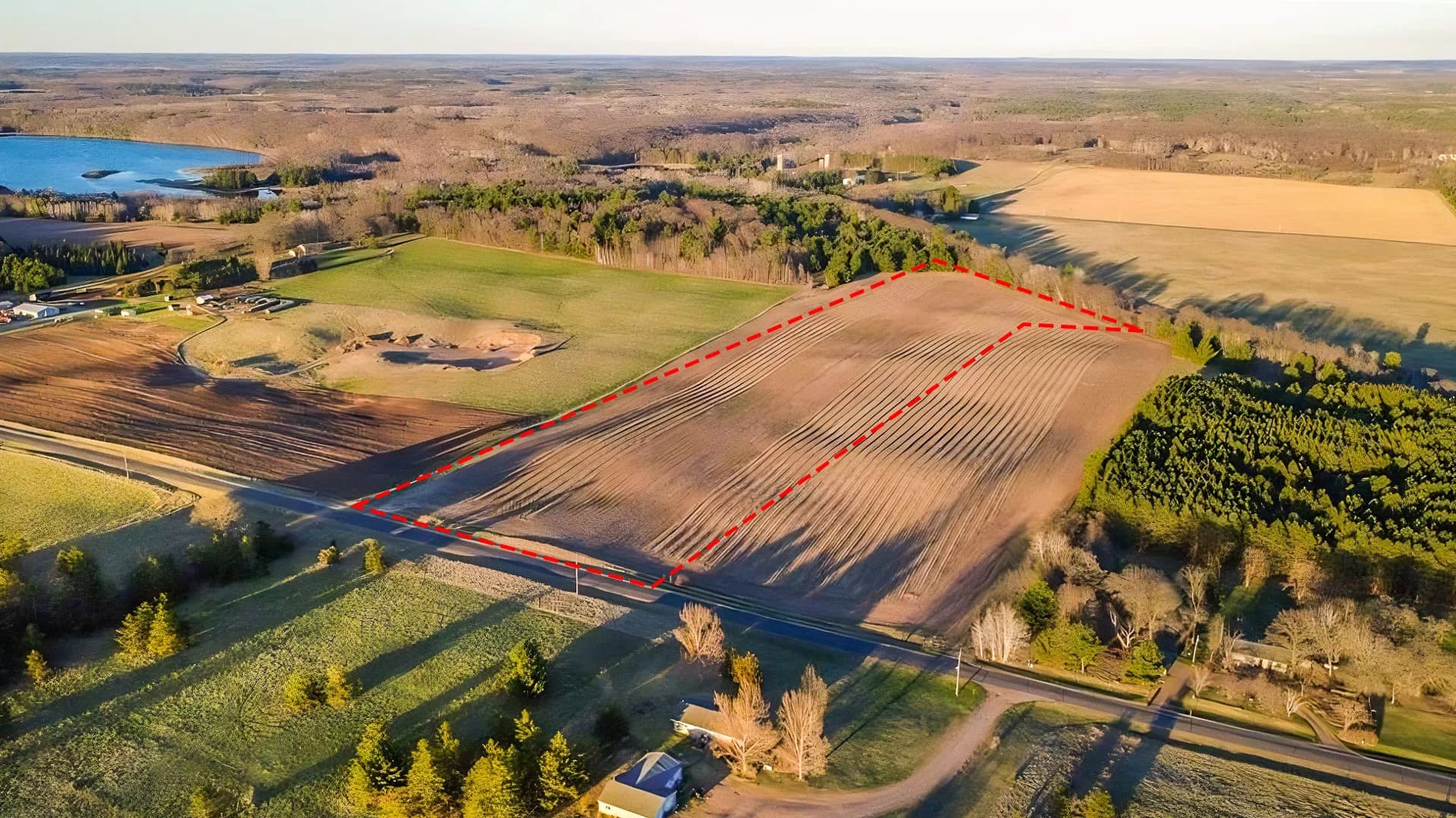
- South-facing slope: Warms earlier in spring, extends growing season by 1-3 weeks. Ideal for gardens and solar panels
- North-facing slope: Cooler, more moisture retention. Good for livestock pasture and timber but suboptimal for gardens
- Grade: Gentle slope (2-8%) is ideal — flat enough to build on, sloped enough for natural drainage
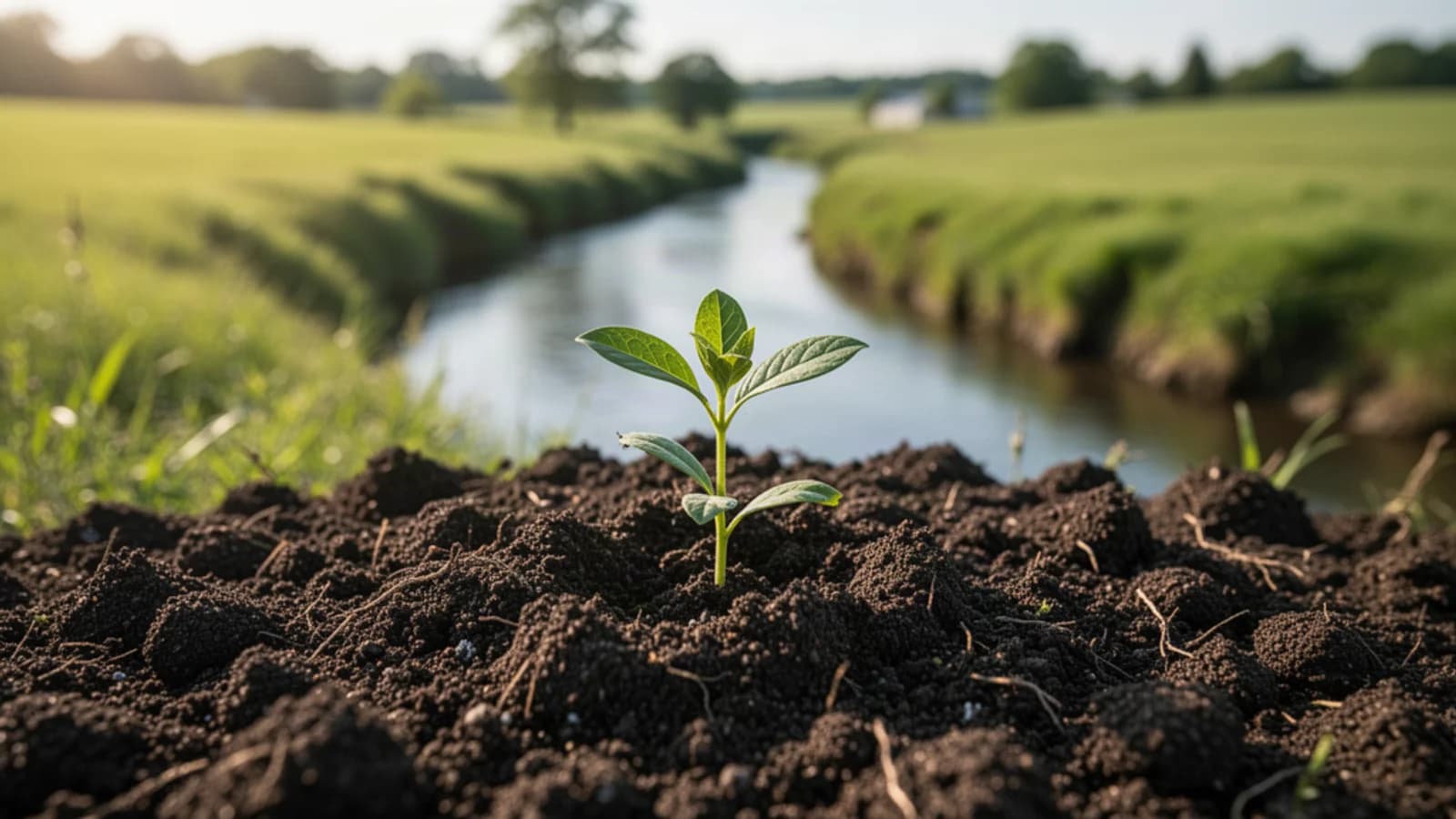
- Flood risk: Avoid bottom-land near creeks unless you specifically want irrigation access (cold air pooling also reduces growing season)
How Much Acreage Do You Actually Need?
- 1-2 acres: Intensive garden, chickens, small orchard. No room for livestock grazing
- 5 acres: Garden, orchard, chickens, 2-3 goats, small pasture rotation. Most common homestead size
- 10-20 acres: All of the above plus cattle/horses, hay production, timber, and buffer from neighbors
- 20+ acres: Full self-sufficiency potential including fuel wood, building timber, and expanded livestock
The USDA's historical data suggests 5 acres of productive land can provide most of the food for a family of four with intensive management.
Bottom Line
Check soil, water, and growing season data before falling in love with a property. The USDA Web Soil Survey, USGS groundwater maps, and NOAA climate data are all free tools that tell you whether a parcel can support a homestead. The best homestead land has loamy soil, reliable water, 150+ frost-free days, and south-facing exposure.
Sources: USDA Web Soil Survey (NRCS), USGS Water Use Estimates, NOAA Climate Normals, USDA Plant Hardiness Zone Map, Acre Dreams listing data August 2026.