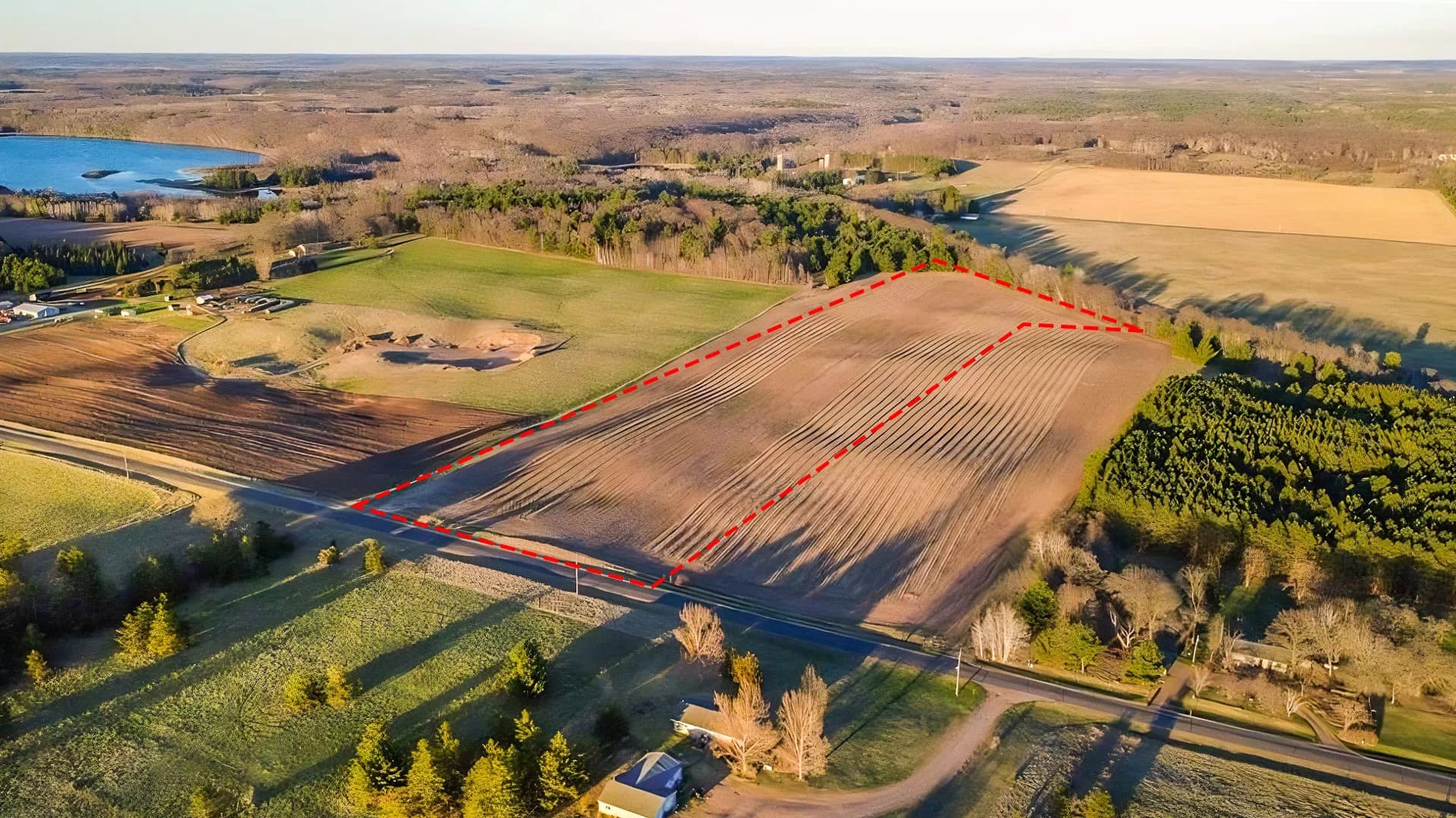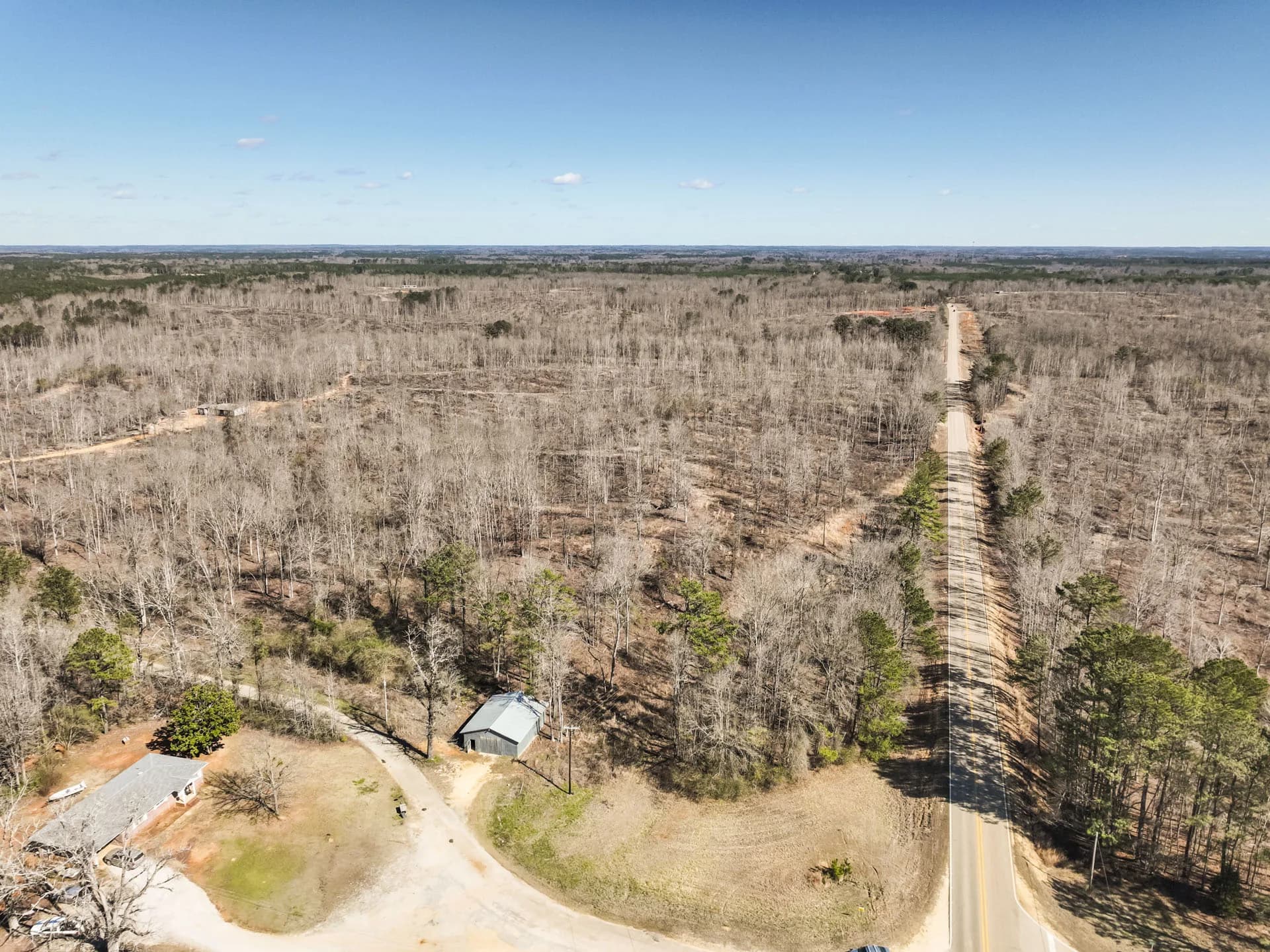

Buying vacant land is one of the most accessible ways to own real property — but it's different from buying a house. There's no home inspection, no appraisal comparable to residential, and fewer guardrails for first-time buyers. This guide covers everything you need to know before you sign.
Why Buy Vacant Land?
Land ownership is the foundation of wealth building. Whether you want to build a future home, start a homestead, create a recreational retreat, or hold an appreciating asset, vacant land offers flexibility that improved property cannot. You pay no HOA fees, no building insurance, and property taxes on raw land are typically a fraction of what improved lots cost.
On Acre Dreams, you can browse FSBO listings directly from land owners — no agent commissions, no middlemen, and transparent pricing.
Step 1: Define Your Goals
Before you search, answer three questions:
- What will you use the land for? Building a home, farming, recreation, or investment each has different requirements for zoning, soil, access, and utilities.
- Where do you want to be? State and county matter enormously for taxes, regulations, and land cost. Some states have no income tax; others have favorable homestead exemptions.
- What's your budget? Include not just the purchase price but closing costs (typically 1–3% for land), potential survey fees ($300–$800), and any immediate improvement costs like clearing or driveway grading.
Step 2: Research the County
Every county in the United States has its own zoning ordinances, building codes, and permitting requirements. Before you fall in love with a parcel, call the county planning and zoning department and ask:
- What is this parcel zoned for? (Residential, agricultural, commercial, mixed-use)
- Are there minimum lot sizes or setback requirements?
- Is a septic system permitted? What type? (Conventional, aerobic, composting)
- Are there any deed restrictions or HOA covenants?
This 15-minute phone call can save you from buying land you can't use the way you intend.
Step 3: Due Diligence Checklist
Once you've identified a parcel, work through this checklist before making an offer:
- Legal access: Confirm the parcel has direct road frontage or a recorded easement. Landlocked parcels without legal access are extremely difficult to develop or resell.
- Title search: Order a title search through a title company to uncover any liens, unpaid taxes, boundary disputes, or encumbrances.
- Survey: For parcels without a recent survey, consider ordering one. A boundary survey confirms the exact acreage and prevents neighbor disputes.
- Flood zone: Check FEMA flood maps. Parcels in a floodplain may require expensive flood insurance and face building restrictions.
- Utilities: Determine the distance to electric, water, and sewer connections. If the parcel is off-grid, you'll need to budget for a well ($5,000–$15,000), septic ($5,000–$25,000), and solar or generator power.
- Soil and topography: Steep slopes, rocky soil, or high water tables can dramatically increase building costs. A perc test ($300–$500) determines whether the soil can support a septic system.
Step 4: Make an Offer
Unlike residential real estate, vacant land offers are straightforward. On Acre Dreams, you can contact sellers directly through the listing page. Key negotiation points include:
- Price: Compare the asking price to recent sales of similar parcels in the county. County assessor websites and FSBO marketplaces are your best resources.
- Financing terms: If the seller offers owner financing, negotiate the down payment percentage, interest rate, and term length.
- Contingencies: Common contingencies include satisfactory title search, survey, perc test, and zoning verification.
Step 5: Close the Deal
Land closings are simpler than home purchases. You can close through a title company, a real estate attorney, or in some states, directly at the county recorder's office. Expect to pay:
- Title insurance (lender's and owner's policies)
- Recording fees for the deed
- Prorated property taxes
- Attorney or escrow fees if applicable
After closing, your deed is recorded with the county. Congratulations — you're a landowner.
Common Mistakes to Avoid
- Skipping the title search. Even cheap land can have tax liens or boundary issues that cost thousands to resolve.
- Assuming utilities are available. "Near power lines" doesn't mean the power company will extend service for free. Get a written estimate.
- Ignoring access. If you can't legally reach your land, you can't use it or sell it.
- Not visiting in person. Photos and satellite images can't tell you about noise, neighbors, smells, or seasonal flooding. Walk the land before you buy.
Start Your Search
Ready to find your perfect parcel? Browse listings on Acre Dreams — every property is listed directly by the land owner with transparent pricing, detailed property data, and no agent fees.