Recreational land — whether for hunting, camping, fishing, or just escaping the noise — is one of the best investments an outdoor enthusiast can make. But recreational properties have unique considerations that differ from residential or investment land purchases. Before you buy, check these five things.
1. Access: Can You Actually Get There?
This sounds obvious, but access issues are the number one regret of recreational land buyers. Verify:
- Legal access: Does the parcel have direct road frontage, or does it rely on an easement across neighboring land? Verbal agreements aren't legal access — look for recorded easements.
- Year-round access: Some rural roads become impassable in winter or during heavy rain. If your primary use is seasonal, this may be acceptable — but it affects resale value.
- Vehicle access: Can you get a truck or ATV to the property? A walking-only trail access works for hiking but not for hauling camping gear or game.
- Gate and key: If access crosses private land via easement, understand the terms. Some easements restrict vehicle type, hours of access, or require gate codes.
Drive the access route yourself — in a vehicle similar to what you'd normally use. Google Maps won't tell you about the washed-out creek crossing half a mile from the property.
2. Zoning and Use Restrictions
Not all rural land allows everything you might want to do on it. Common restrictions that catch recreational buyers:
- Firearms discharge: Some counties or subdivisions prohibit discharging firearms, even on your own property. If hunting is your primary goal, verify this first.
- Camping duration: Counties may limit how many consecutive days you can camp without a habitable structure or building permit.
- ATV and motorized vehicles: Some areas have noise ordinances or environmental restrictions on off-road vehicle use.
- Structures: Want to build a hunting cabin, deer stand, or storage shed? Check whether permits are required and what minimum standards apply.
- HOA or deed restrictions: Even rural subdivisions sometimes have covenants that restrict hunting, livestock, or vehicle storage.
A 10-minute call to the county planning office answers most of these questions.
3. Water Features and Drainage
Water can be your property's best feature or its biggest headache:
- Ponds and creeks: Extremely desirable for fishing, wildlife habitat, and aesthetics. Verify water rights — in western states, you may not own the water even if it's on your land.
- Flood zones: Check FEMA flood maps. Floodplain land is typically cheaper, but you may face restrictions on building and difficulty getting insurance.
- Drainage: Low-lying land that stays swampy after rain isn't just unpleasant — it can breed mosquitoes and limit access for months at a time.
- Wetlands: Federally designated wetlands carry significant building and land-use restrictions. The Army Corps of Engineers regulates wetland fill and development.
Visit the property after a heavy rain if possible. This reveals drainage patterns that dry-weather visits won't show.
4. Timber and Mineral Rights
On rural and recreational land, surface ownership doesn't always include everything below or above it:
- Timber rights: In some areas, timber rights are sold separately from the land. If the seller doesn't own the timber rights, someone else can legally harvest trees from your property. This is particularly common in the southeastern U.S.
- Mineral rights: Mineral rights (oil, gas, gravel, etc.) are frequently severed from surface rights. If someone else owns the mineral rights, they may have the legal right to access your property to extract resources.
- Title search: A thorough title search will reveal whether timber and mineral rights convey with the sale. If they don't, understand what that means for your intended use.
For recreational land, severed mineral rights are less of a daily concern — but they can dramatically affect resale value and future use.
5. Neighbors and Surrounding Land Use
Your land doesn't exist in a vacuum. The surrounding properties matter:
- Adjacent land use: A hunting property next to a shooting range is fine. A camping retreat next to a commercial hog farm is not. Drive the surrounding roads and note what's nearby.
- Future development: Check the county's comprehensive plan and any pending zoning changes. That quiet timber tract across the road might be slated for a subdivision or solar farm.
- Public land proximity: Bordering national forest, BLM land, or state wildlife management areas can be a huge advantage — it effectively expands your usable recreation space.
- Neighbor relations: If possible, introduce yourself to adjacent landowners. They're often the best source of information about the property's history, water table, wildlife, and any neighborhood issues.
Bonus: Walk the Boundaries
Before making an offer, walk as much of the property boundary as you can. Look for:
- Existing fence lines (which may or may not match the legal boundary)
- Evidence of encroachment — neighbors' structures, driveways, or gardens crossing the line
- Trash dumps, old vehicles, or environmental hazards
- The actual terrain — steep ravines, rock outcroppings, and dense brush affect usability
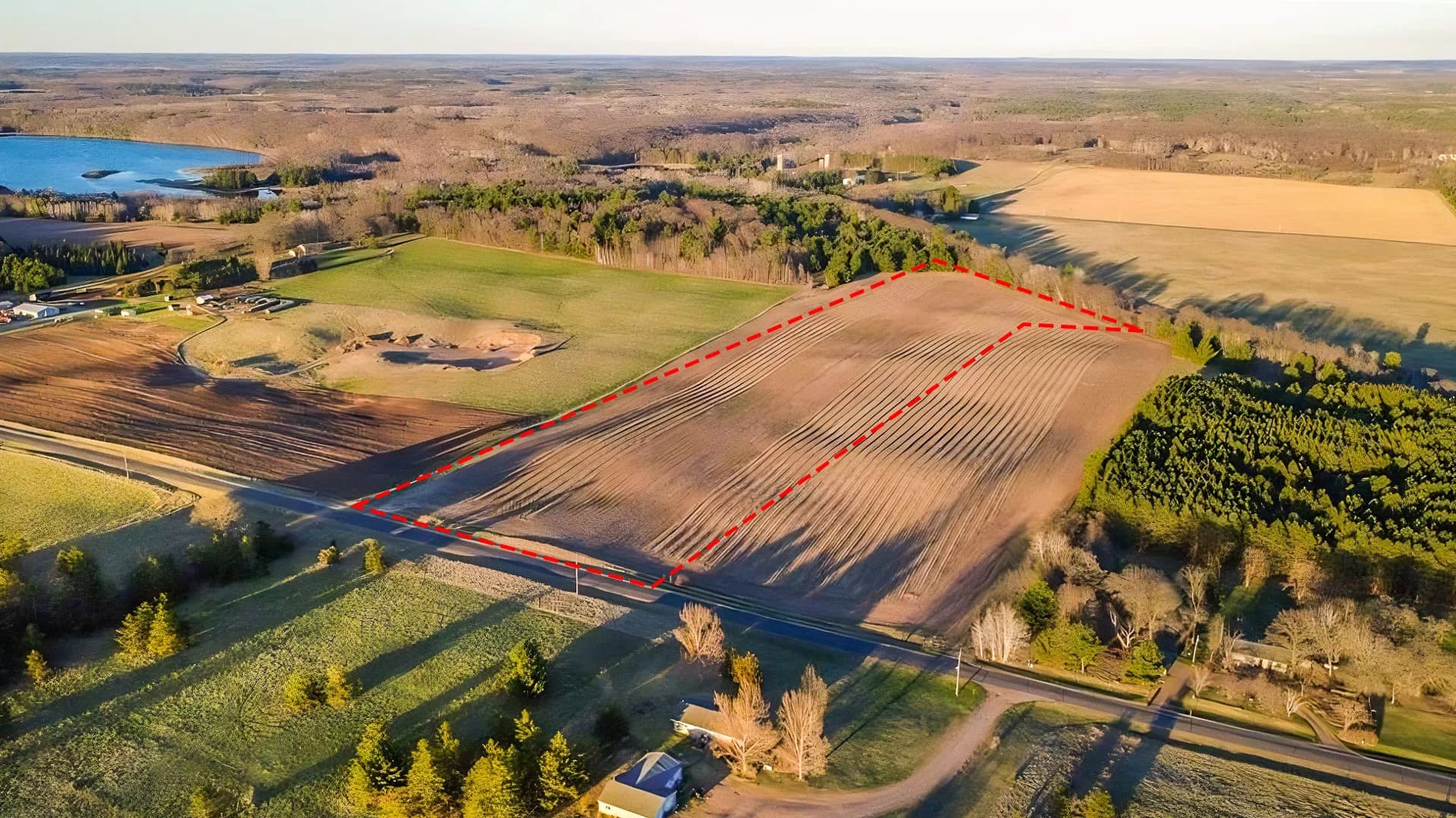
Satellite images are useful, but nothing replaces boots on the ground.
Find Your Recreational Property
Ready to find your outdoor escape? Browse recreational land on Acre Dreams — every listing is posted directly by the land owner with transparent pricing and detailed property data. No agent fees, no runaround.