Everything you need to know about purchasing vacant land in Louisiana — geography, tax benefits, land types, financing, and due diligence.
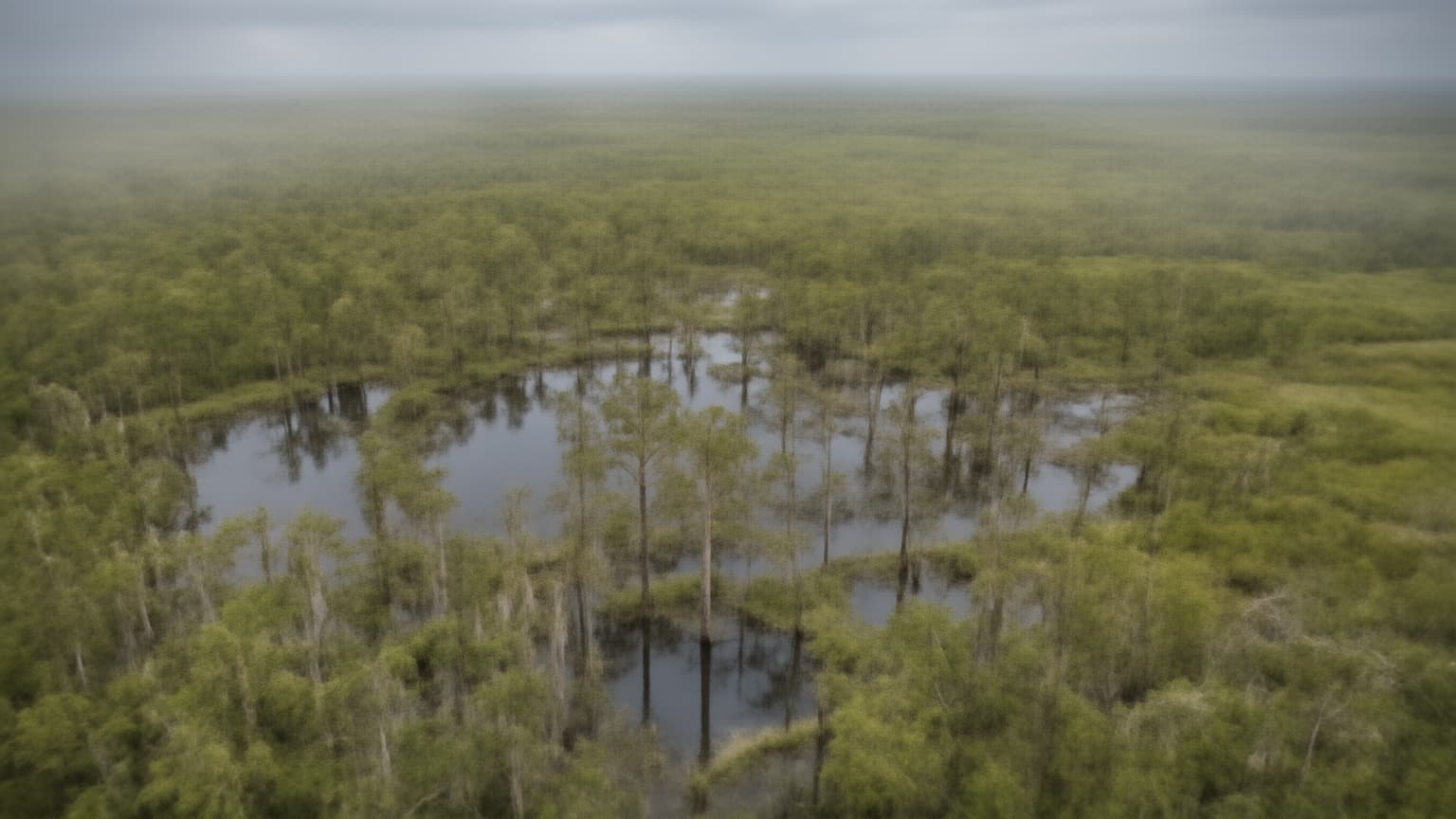
Louisiana offers some of the most affordable vacant land in the southeastern United States, with per-acre prices well below national averages across much of the state. The landscape ranges from rolling pine hills in the north to coastal marshes in the south, with fertile agricultural bottomland along the Mississippi, Red, and Ouachita River corridors. Louisiana's unique legal system (based on French civil law rather than English common law) creates distinct considerations for land buyers -- from servitudes instead of easements to forced heirship rules that affect estate planning. Despite these differences, the state's combination of no state income tax, low property taxes, long growing seasons (240-300 frost-free days depending on region), and abundant rainfall (50-65 inches annually) makes it compelling for buyers seeking affordable rural acreage for homesteading, hunting, timber investment, or recreational use.
Timberland
pine plantation and natural hardwood stands
Agricultural bottomland (row crops
sugarcane
rice)
Pastureland (cattle ranching
especially in southwest parishes)
Hunting/recreational land
managed wildlife habitat
Marshland and wetlands (coastal parishes
duck hunting)
Residential rural acreage
homestead parcels 2-10 acres
Mixed-use parcels
timber + pasture + homesite combinations
There are currently 2 parcels available across 1 county, totaling 15 acres.
$9,327
Avg $/Acre
1
County
100%
Offer Financing
15
Total Acres
| County | Listings | Avg $/Acre | Avg Price |
|---|---|---|---|
| Allen | 2 | $9,327 | $69,950 |
Owner financing is one of the most buyer-friendly aspects of the vacant land market. The seller acts as the lender — you make a down payment and monthly payments directly to them, with no bank approval required. Currently, 100% of Louisiana listings on Acre Dreams offer owner financing.
Owner financing makes land ownership accessible even if you don't qualify for a traditional mortgage. Look for the “Owner Financing Available” badge when browsing listings.
Before purchasing any land in Louisiana, complete these essential steps to protect your investment:
Check Louisiana county assessor records to confirm the seller is the legal owner. Get a title search to uncover liens, easements, or encumbrances. For purchases over $5,000, title insurance is recommended.
Verify the property has legal road access — either public road frontage or a recorded easement. Use satellite imagery to confirm physical access matches legal descriptions. In rural Louisiana, some parcels may be landlocked.
Contact the county planning department to confirm permitted uses. Can you build? Are manufactured homes allowed? What are setback requirements? Zoning rules vary by county in Louisiana.
Check FEMA flood maps for the parcel. Zone X means minimal risk. Zones A and AE carry higher flood risk and may require insurance for structures.
Check the county tax collector for current annual taxes and any delinquent amounts. Vacant land taxes are typically low, making land one of the cheapest assets to hold long-term.
Louisiana offers some of the lowest per-acre prices in the southeastern US, combined with no state income tax and generally low property taxes. The state's abundant rainfall, long growing season, and diverse terrain create opportunities for hunting, homesteading, timber investment, and agriculture. Owner financing is widely available on rural parcels. As with any land purchase, due diligence — especially regarding flood zones, legal access, and Louisiana's unique civil law system — is essential before buying.
Louisiana's legal system is based on civil law (derived from French and Spanish legal traditions) rather than the common law system used by other states. This creates unique considerations for land buyers, including differences in terminology (such as servitudes rather than easements), community property rules, and heirship provisions that may affect estate planning. These legal distinctions can have meaningful implications for how you purchase, own, and transfer property. Because Louisiana real estate law differs substantially from other states, working with a Louisiana-licensed real estate attorney is strongly recommended for any land transaction.
Louisiana is widely recognized for having among the lowest property taxes in the United States. Agricultural and timber land is generally assessed based on use value rather than market value, with millage rates varying by parish — which typically results in low annual tax obligations on rural parcels. A homestead exemption may further reduce taxes for owner-occupied property. Tax rates, assessment methods, and exemption thresholds are set at the parish level and can change over time. Contact your parish tax assessor's office to get current rates for a specific parcel.
Louisiana generally permits hunting on private land during established seasons with a valid state hunting license. The state offers diverse hunting opportunities including deer, turkey, waterfowl, and small game, with seasons typically spanning fall through winter. However, whether you can hunt on a specific parcel depends on several factors: parish or municipal ordinances (some restrict firearm discharge near residences), deed restrictions or covenants, property size and proximity to neighboring structures, and any conservation easement or wetland restrictions. Hunting regulations — including season dates, bag limits, and legal methods — are set annually by the Louisiana Department of Wildlife and Fisheries and can change. Contact LDWF and your parish government to confirm current rules for any property you are considering.
Flood risk varies significantly by location. Upland parishes in northern and central Louisiana generally have less flood concern, while parcels near major rivers or in southern coastal parishes may carry higher risk. Always check the FEMA Flood Map Service Center for specific parcel data before purchasing. Elevated parcels and ridge land along rivers (natural levees) often avoid flood designation even in otherwise flood-prone areas. Flood insurance is required for structures in FEMA-designated flood zones. A local surveyor or real estate attorney can help you assess flood risk and insurance requirements for a specific property.
Browse available properties across 1 counties in Louisiana. Many offer owner financing with no credit check.
Browse Louisiana Land