Quick Answer: Raw land (no utilities, road, or clearing) costs 40-70% less per acre than improved lots but requires $20,000-$88,000+ in development costs before building. Improved lots have higher purchase prices but are build-ready with lower total project risk. For investment, raw land offers higher percentage returns but longer timelines. For building a home, improved lots reduce risk and uncertainty. The right choice depends on your budget, timeline, and willingness to manage development.
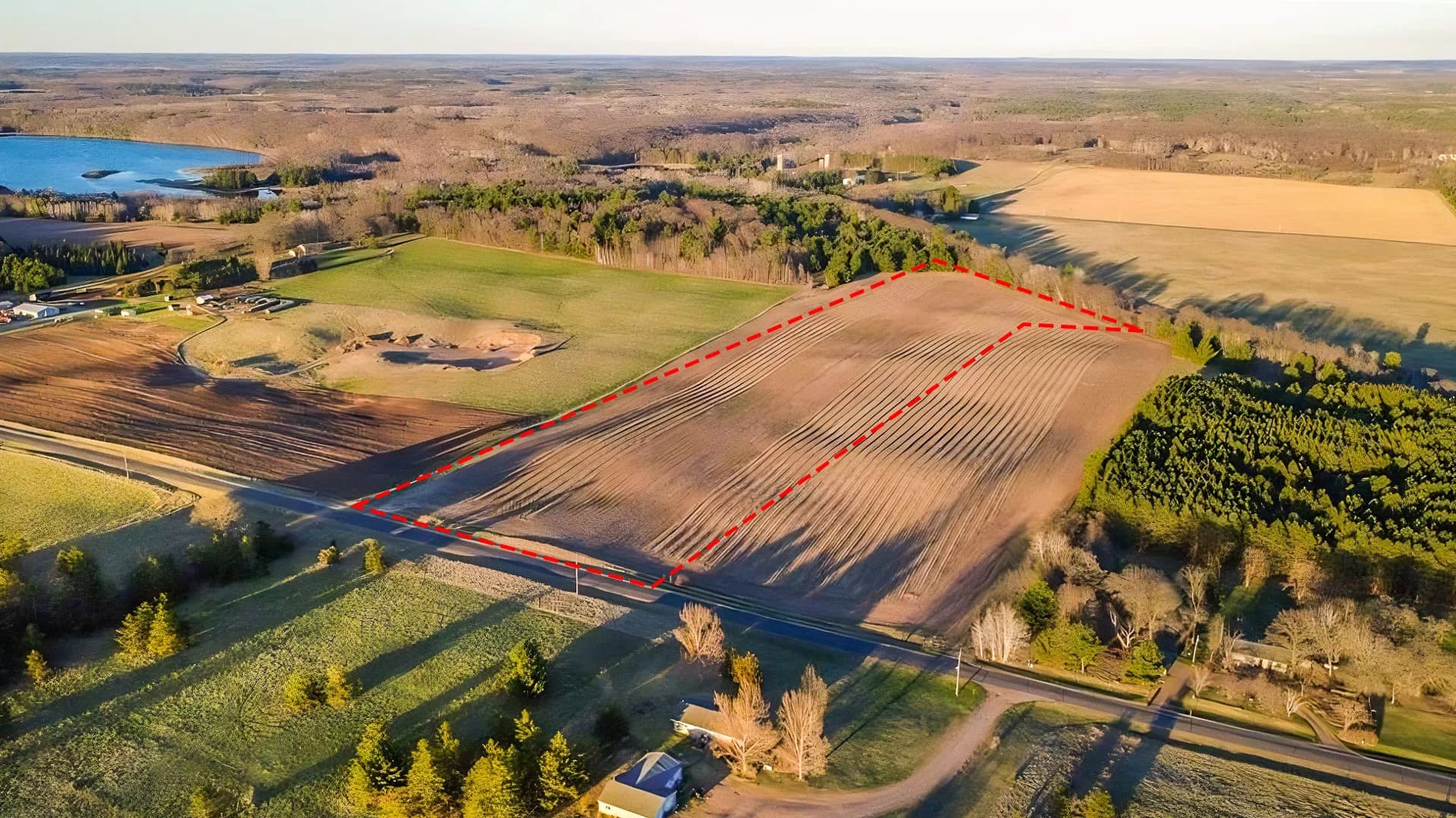
You find two 5-acre parcels in the same county, listed a week apart. One is $8,000 — no road, no utilities, no clearing. The other is $45,000 — graded driveway, power at the property line, and a perc-tested septic site. Which is the better deal? The answer depends entirely on your plans and your budget for development.
Definitions
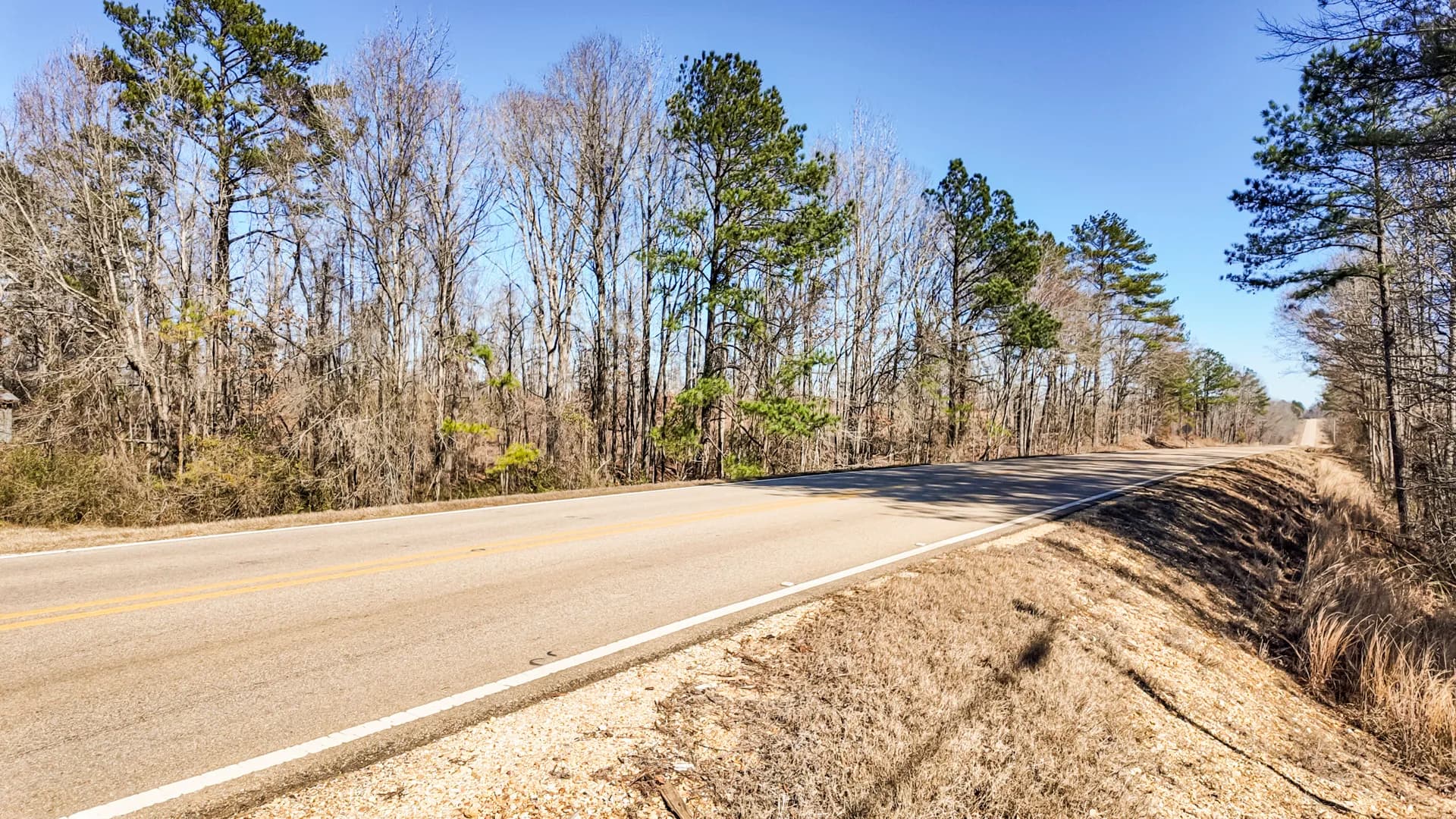
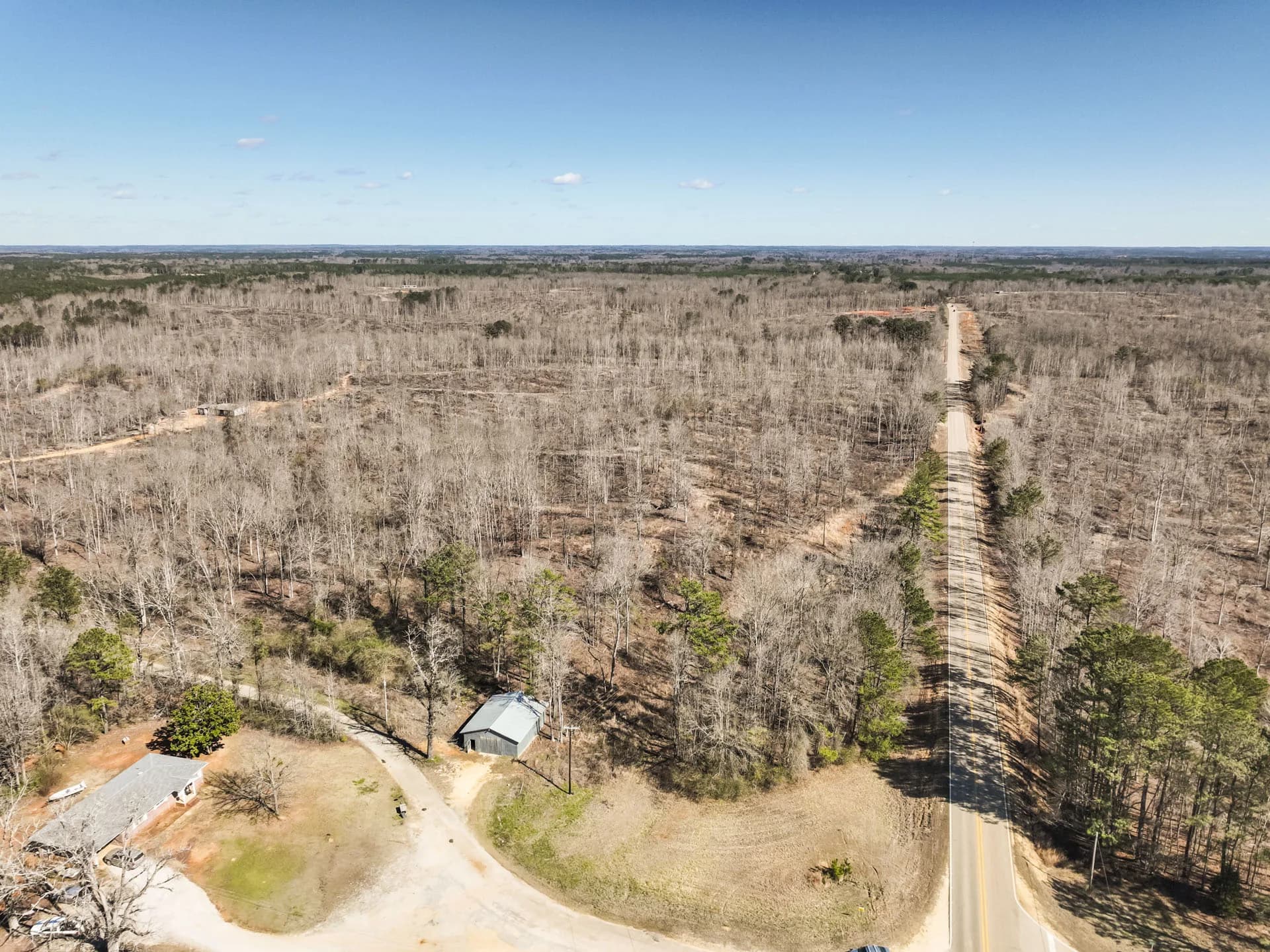
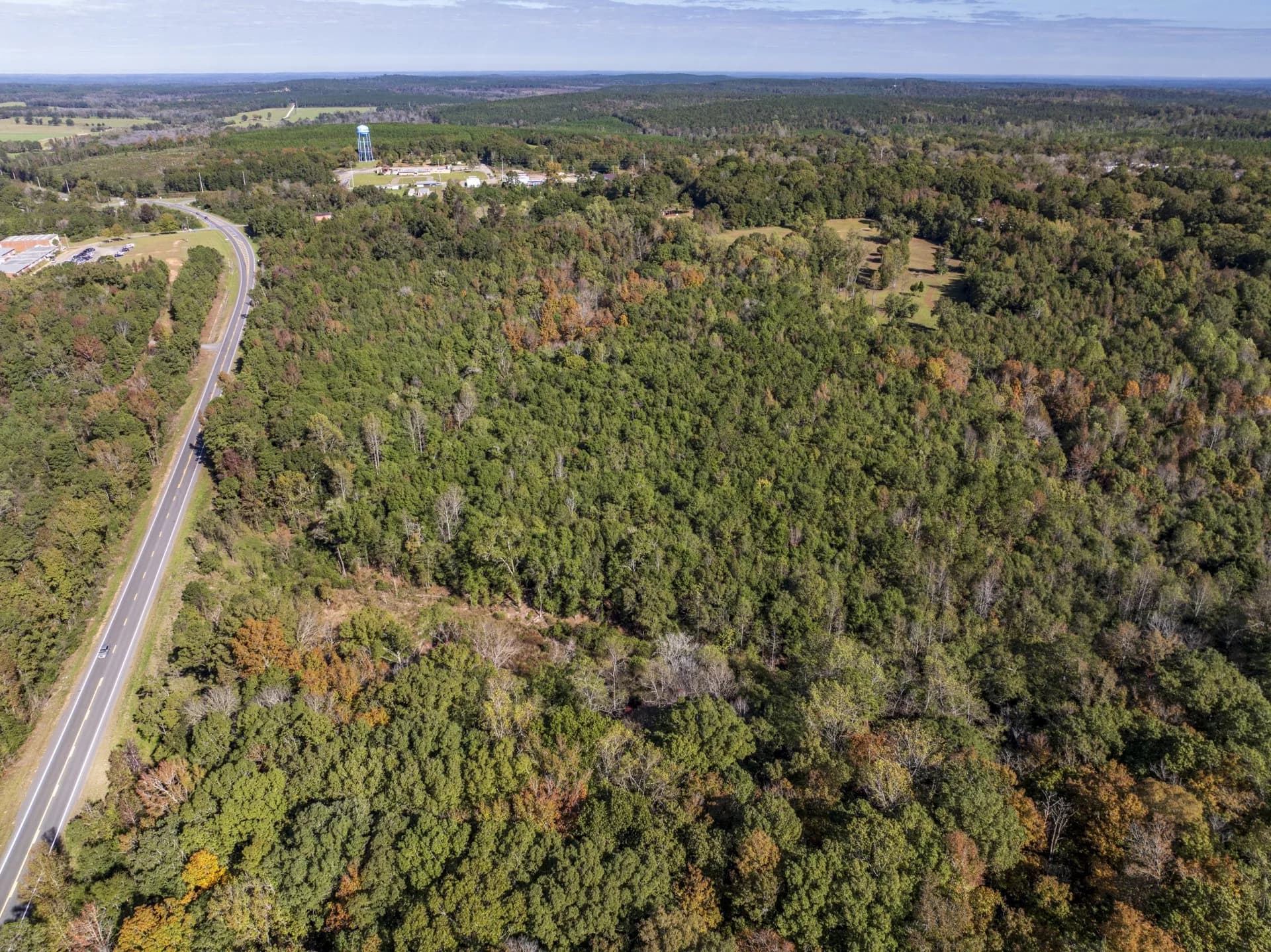
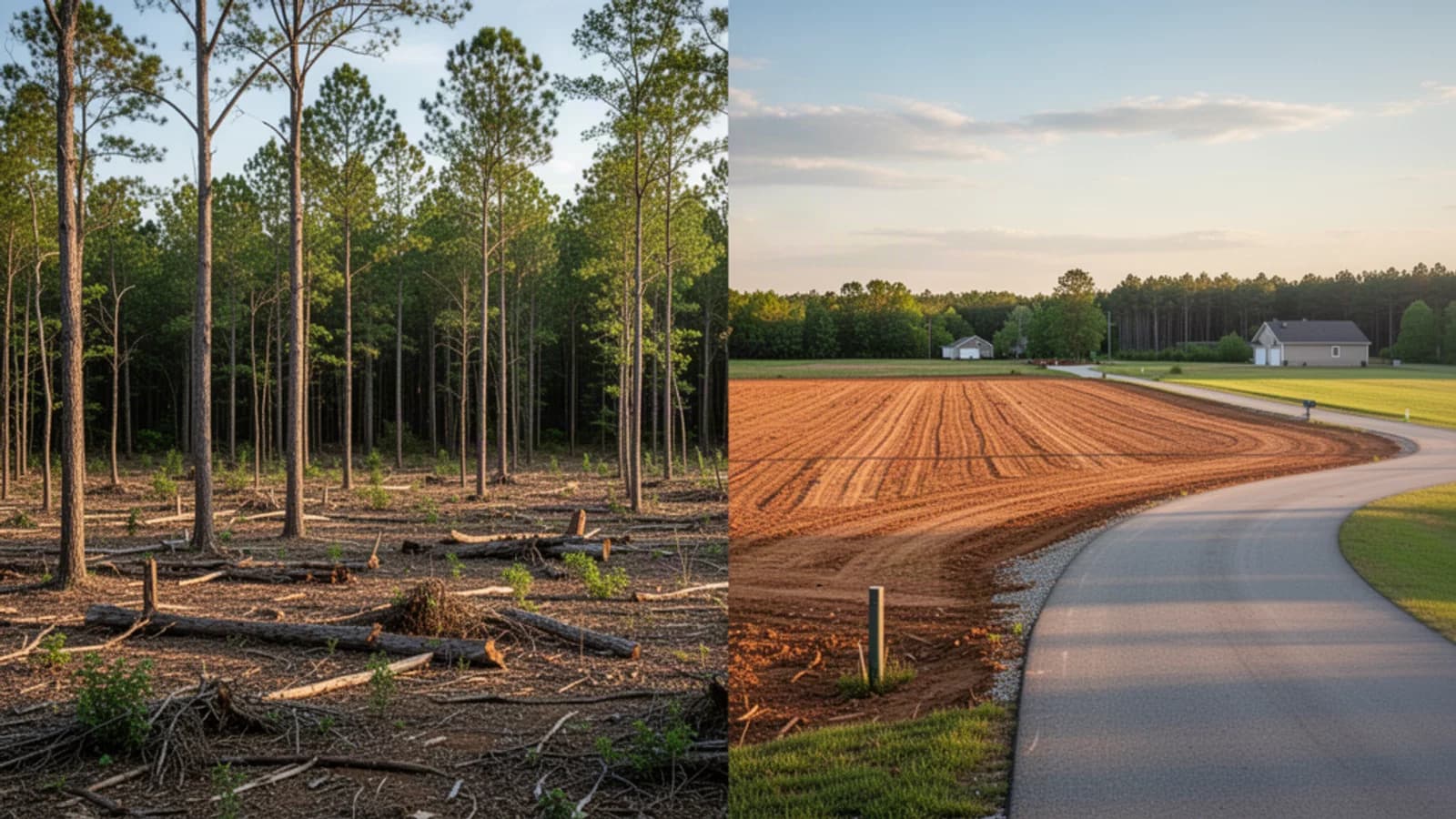
- Raw land: Unimproved property with no utilities, no road access built to the site, no clearing, and no grading. "As nature left it"
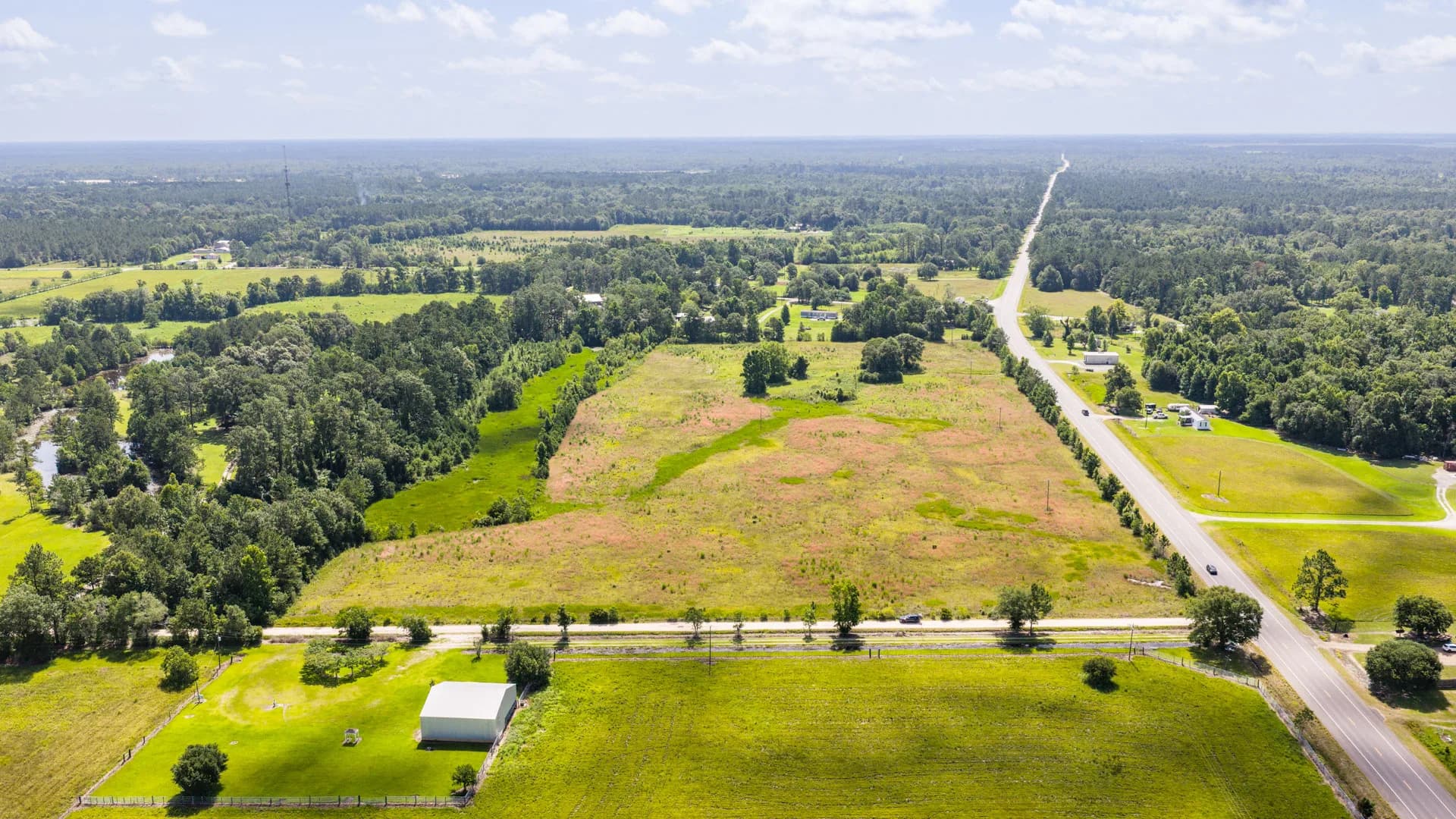
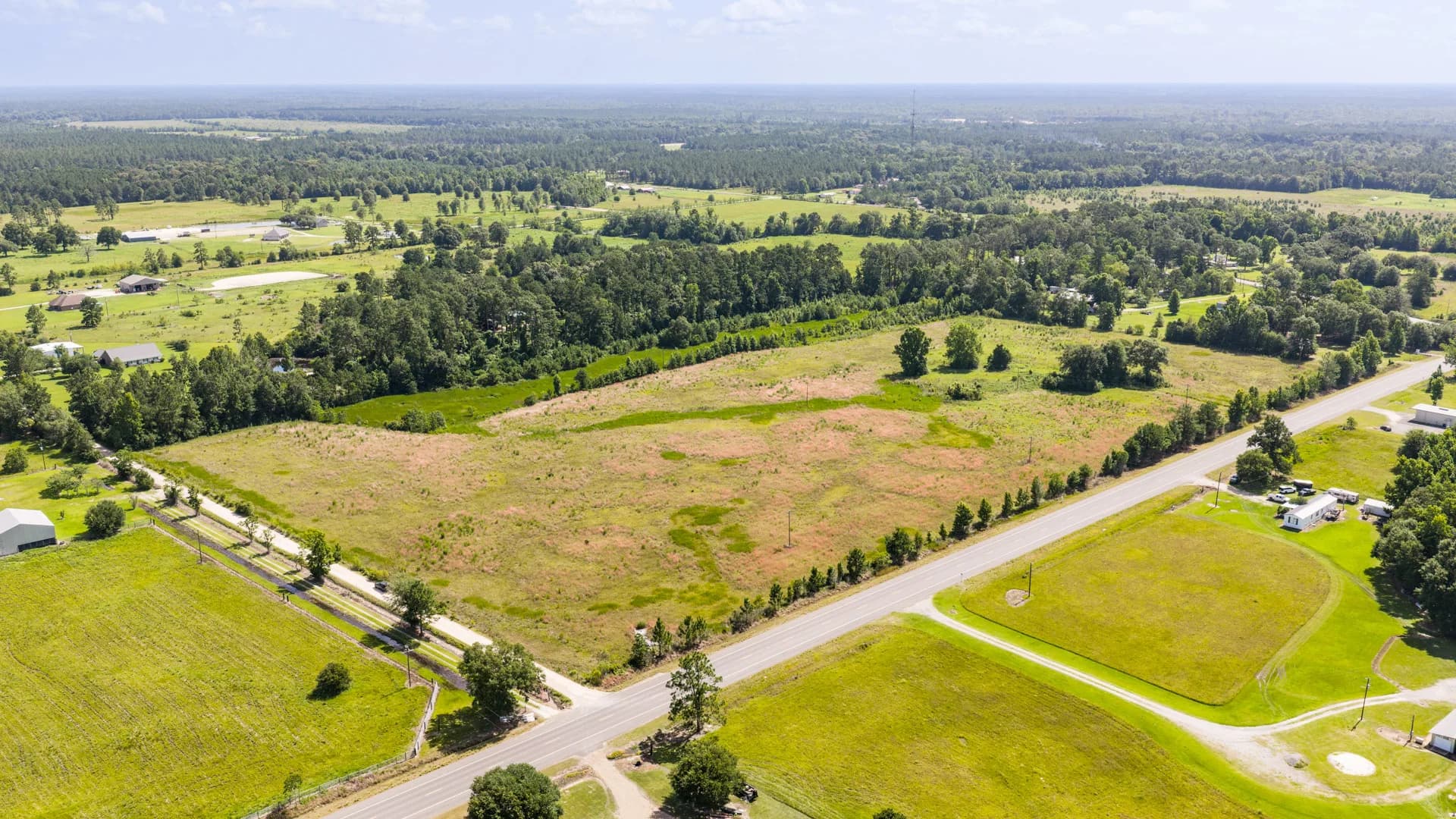
- Improved lot: Property with some or all of: road access, electric at property line, well or municipal water, septic or sewer, and basic clearing/grading. Ready or near-ready for construction
Price Comparison
| Factor | Raw Land | Improved Lot |
|---|---|---|
| Purchase price (5 acres, rural) | $5,000-$20,000 | $20,000-$80,000 |
| Road/driveway | $3,000-$15,000 | Included |
| Electric connection | $5,000-$30,000 | Included |
| Well drilling | $5,000-$15,000 | Included or municipal water |
| Septic system | $5,000-$20,000 | Included or sewer |
| Clearing/grading | $2,000-$8,000 | Included |
| Total to build-ready | $25,000-$108,000 | $20,000-$80,000 |
In many cases, the improved lot is actually cheaper on a total-cost basis when you factor in development expenses. The raw land only wins financially when purchase prices are very low and development costs are modest (Southeast/Ozarks markets).
Risk Comparison
Raw Land Risks
- Failed perc test: Could make the property unbuildable or require a $15,000-$25,000 engineered septic system
- Deep water table: Well drilling costs can exceed $30,000 in some areas
- Utility extension costs: Power line extensions are the most unpredictable cost — they can range from $2,000 to $50,000+
- Access issues: Landlocked status or inadequate road access may only become apparent after purchase
- Zoning surprises: County regulations may restrict your intended use
Improved Lot Risks
- HOA restrictions: Many improved lots come with covenants restricting building style, size, and use
- Higher carrying costs: Property taxes are typically higher for improved lots
- Less negotiation room: Improved lot sellers have invested in development and are less likely to accept below-market offers
- Existing infrastructure age: A 20-year-old well or aging septic may need replacement within years
Investment Perspective
- Raw land appreciation: Raw land that gets improved can appreciate 100-300% (the appreciation comes from adding infrastructure, not market movement)
- Improved lot appreciation: More stable but lower percentage returns (3-5% annually in most markets). Already "developed" so there's less room for forced appreciation
- Investment timeline: Raw land is a longer play (3-10 years to see meaningful returns). Improved lots can be flipped faster
When to Buy Raw Land
- You want the lowest possible entry price and are willing to manage development
- You're an experienced builder or developer who can minimize improvement costs
- You're buying for long-term investment (hold and wait for area development)
- You want maximum flexibility in how the property is developed
- You're in a market where raw land is dramatically cheaper than improved lots
When to Buy an Improved Lot
- You want to build a home within the next 1-2 years and want predictable costs
- You don't want to manage contractors for utility connections and site development
- You prefer lower risk even if it means a higher purchase price
- The market offers improved lots at reasonable premiums over raw land
Bottom Line
Raw land is cheaper upfront but often costs more total after development. Improved lots are more expensive to buy but come with fewer surprises. For first-time buyers planning to build, improved lots reduce risk significantly. For investors and experienced landowners comfortable with development management, raw land offers higher potential returns.
Browse both raw land and improved lots on Acre Dreams. Check our county data pages to compare prices in your target market.
Sources: Lincoln Institute of Land Policy, National Association of Home Builders, HomeAdvisor Cost Guide, Acre Dreams listing data August 2026.