
Quick Answer: An effective land listing includes: a compelling headline with key features (acreage, price, location), GPS coordinates, clear photos (aerial + ground level), detailed access and utility information, zoning/permitted uses, and financing terms if offered. The biggest mistake sellers make is treating a land listing like a home listing — land buyers need completely different information to make a purchase decision.
Listings with detailed parcel information, GPS coordinates, and multiple photos sell faster than those with vague descriptions. The difference between a listing that sits for months and one that generates offers in days often comes down to how the listing is written, not the land itself.
What Land Buyers Actually Care About
Home buyers care about kitchens and bathrooms. Land buyers care about:
- Exact location — GPS coordinates (not just "near town"). Land buyers use Google Earth extensively
- Road access — paved, gravel, 4WD-only, or no road. Is it deeded access or an easement?
- Utilities — what's available at or near the property line (power, water, internet)
- Zoning — what can they actually build or do on the land?
- Price and financing terms — especially owner financing availability
- Terrain and usability — flat, hilly, wooded, cleared, wetlands?
Writing the Headline
Your headline is what buyers see first in search results. Include the most important search terms:
- Good: "5 Acres in [County], [State] — Owner Financing, $15,000, Paved Road Access"
- Bad: "Beautiful Property in Country Setting with Amazing Views"
The good headline includes: acreage, location, financing, price, and a key feature. The bad headline could describe any property anywhere and contains no searchable information.
Essential Information to Include
Location Details
- County and state (not just city/town name)
- GPS coordinates (latitude, longitude)
- APN (Assessor's Parcel Number)
- Nearest town and distance
- Nearest paved road and distance
Access and Infrastructure
- Type of road access (paved, gravel, dirt, 4WD)
- Legal access type (direct frontage, easement, landlocked)
- Distance to nearest power line
- Water source (well on property, well feasible, municipal water nearby)
- Septic status (existing, perc test done, perc test needed)
- Internet availability (cable, DSL, cell signal strength, Starlink-feasible)
Land Characteristics
- Exact legal acreage (not "approximately")
- Terrain description (flat, gently rolling, steep, mixed)
- Vegetation (cleared, partially wooded, dense forest, pasture)
- Water features (creek, pond, spring, seasonal stream)
- Soil type if known (important for septic and gardening)
Zoning and Legal
- Zoning classification (agricultural, residential, rural, unzoned)
- Permitted uses (home, mobile home, RV, agricultural structures)
- HOA or deed restrictions (if any)
- Flood zone status (FEMA designation)
- Annual property tax amount
Photography Guide for Land
Land photography is fundamentally different from home photography:
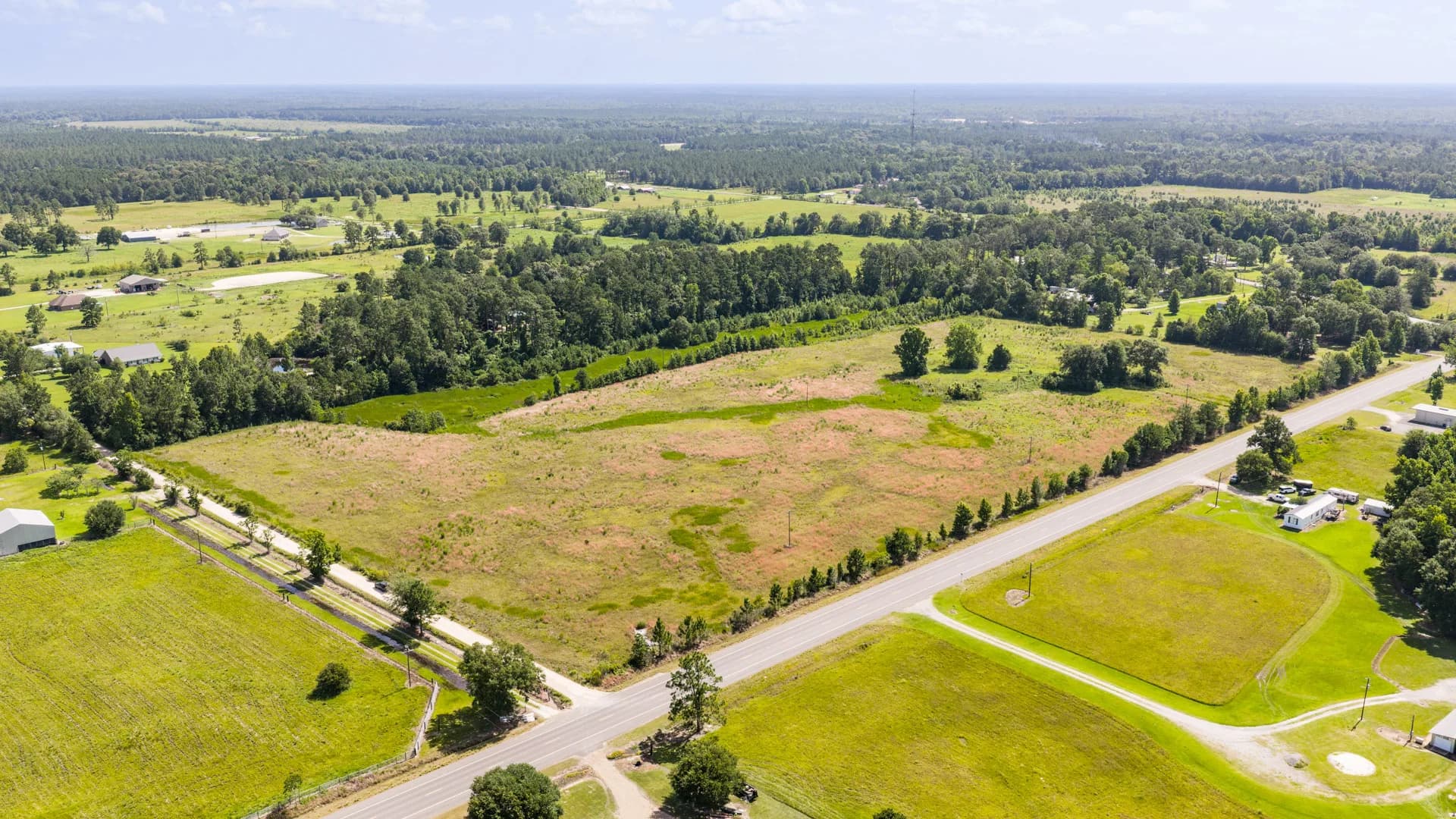
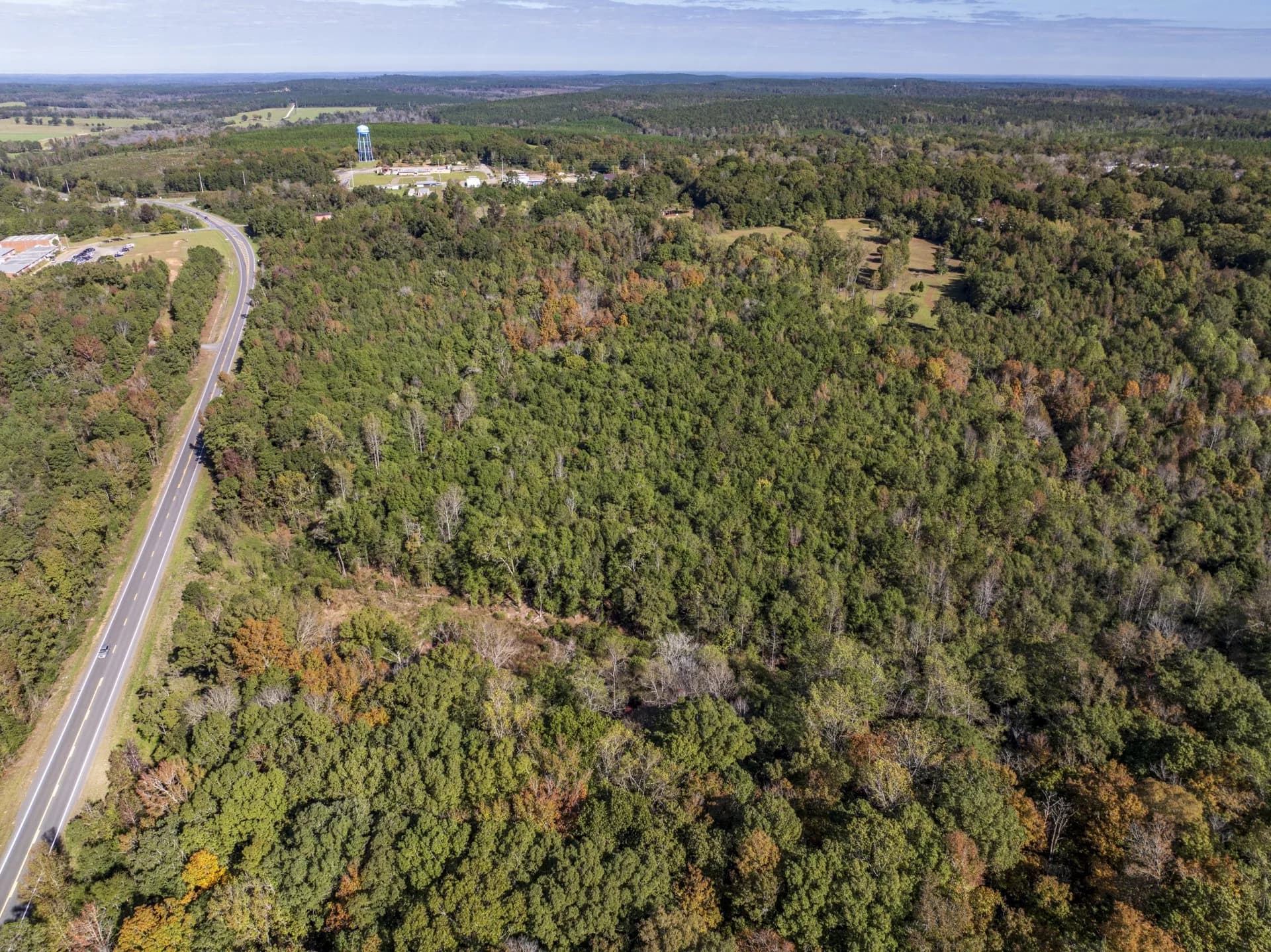
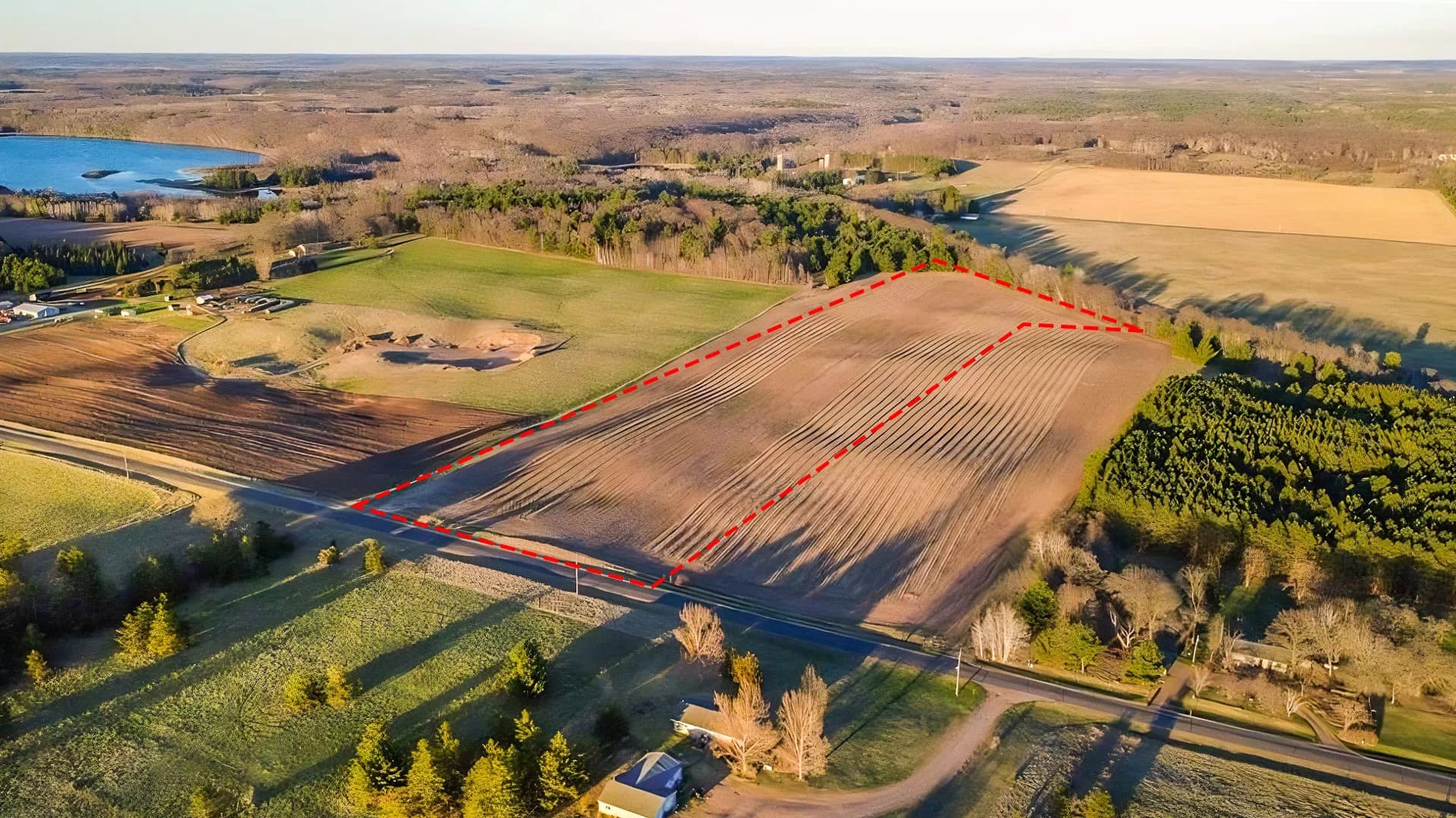
- Aerial/satellite view — show the full parcel with boundaries marked. Google Earth screenshot with overlay is acceptable if you don't have drone access
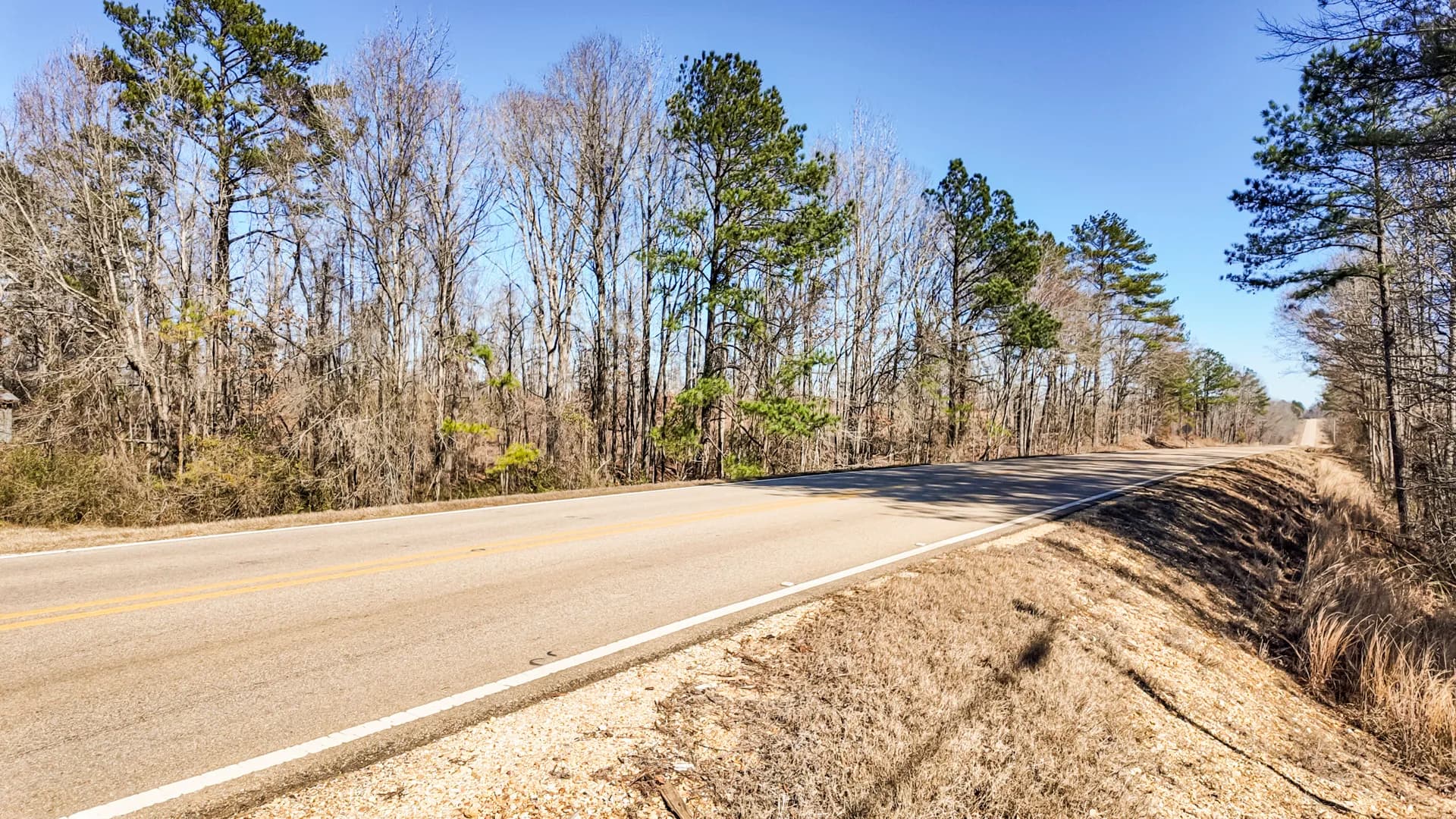
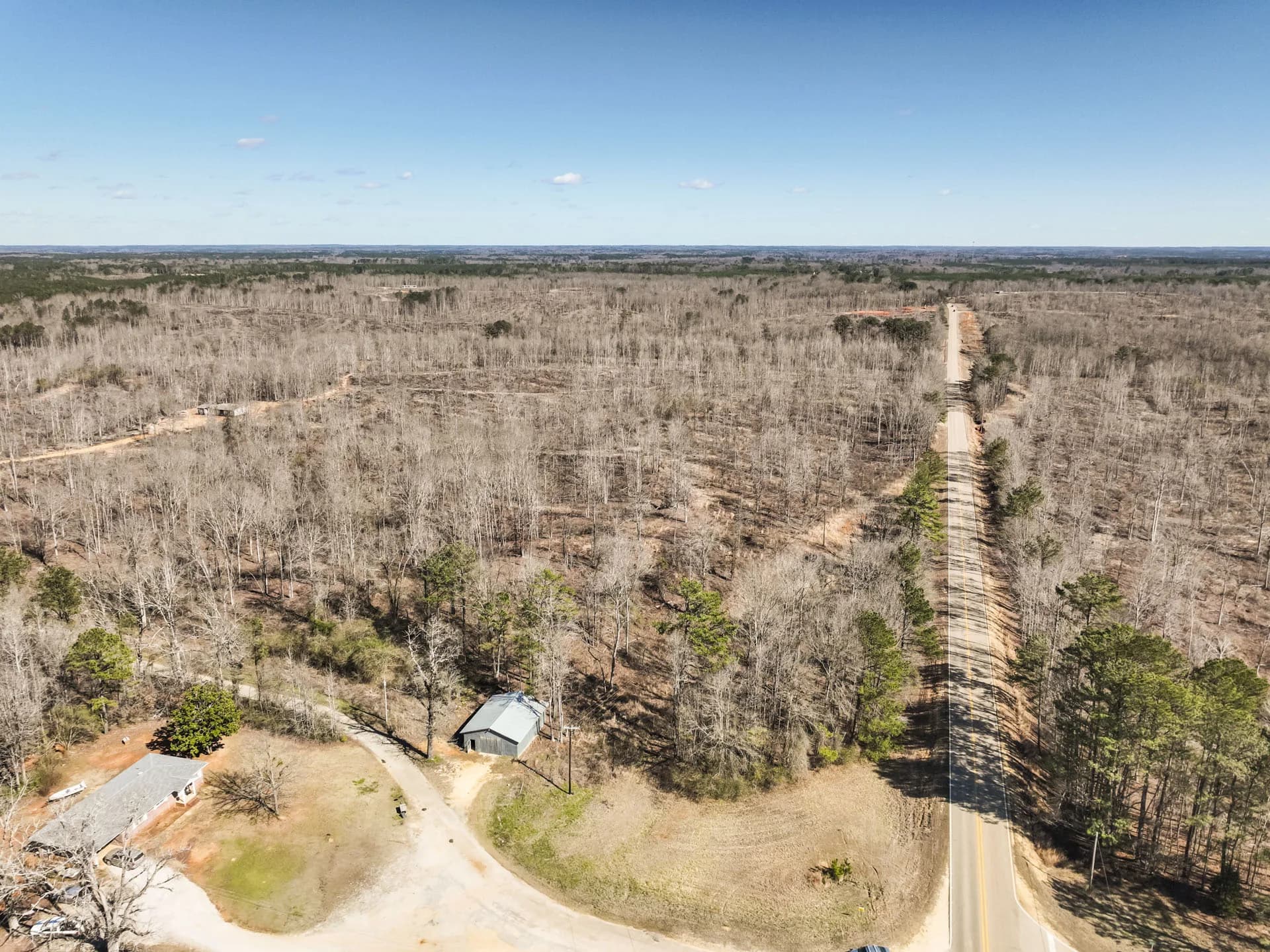
- Road frontage photo — show what a buyer would see arriving at the property
- Interior shots — walk into the property and photograph representative areas (cleared sections, wooded areas, water features)
- Corner/boundary markers — if visible, photograph survey pins or markers
- Neighbor context — a wider shot showing the general area helps buyers understand the setting
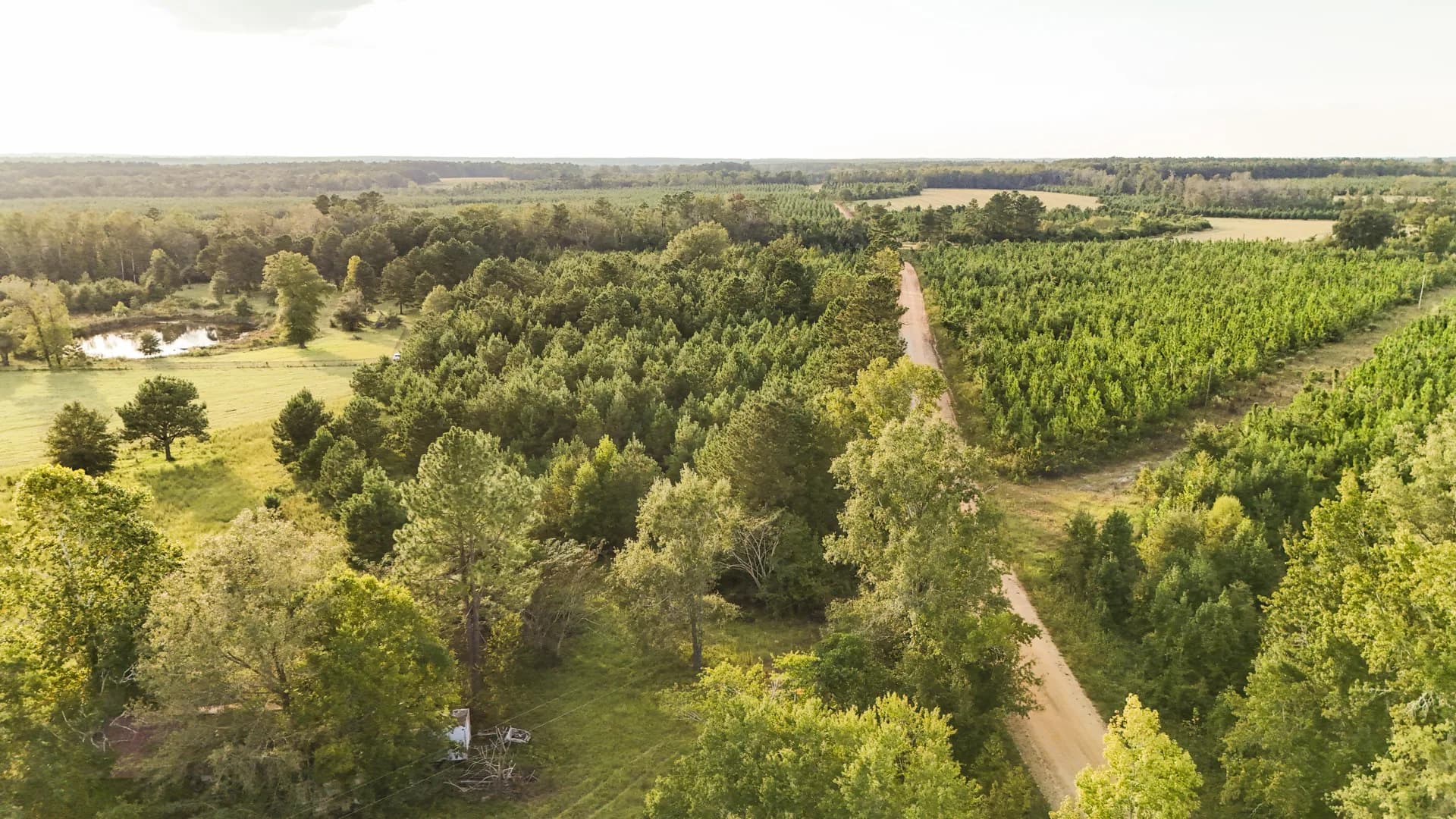
- Access road — photograph the road condition from the nearest paved road to the property
Drone photos dramatically increase buyer engagement. If you don't own a drone, local photographers charge $100-$300 for a basic aerial photo package.
Pricing Display
- Always show both total price and price per acre — buyers compare using $/acre
- If offering owner financing, show: down payment, monthly payment, interest rate, and term
- Consider showing a payment comparison: "$150/month with owner financing vs. $15,000 cash"
Common Listing Mistakes
- No GPS coordinates — land buyers cannot evaluate a property they can't locate on a map
- Vague descriptions — "nice property" and "beautiful views" tell the buyer nothing actionable
- No photos or only one photo — listings with 5+ photos get significantly more inquiries
- Missing utility information — "power nearby" is not useful. "Power pole 300 ft east of SW corner" is
- No mention of financing terms — if you offer owner financing, make it the second thing in the listing (after location)
Bottom Line
A great land listing is specific, data-rich, and answers every question a buyer would ask before visiting the property. Include exact location, access details, utilities, zoning, and pricing with financing terms. Use clear photos including aerial views. The goal: give the buyer enough information to make a phone call or submit an inquiry without needing to ask basic questions first.
List your land on Acre Dreams with all these details to maximize buyer interest.
Sources: National Association of Realtors listing best practices, Acre Dreams seller data August 2026.