Quick Answer: The best time to buy vacant land is typically December through February (winter months), when listing activity drops, competition decreases, and motivated sellers are more willing to negotiate. Spring and early summer see the highest demand and prices. With fewer buyers competing, winter is often the best time to negotiate on price.
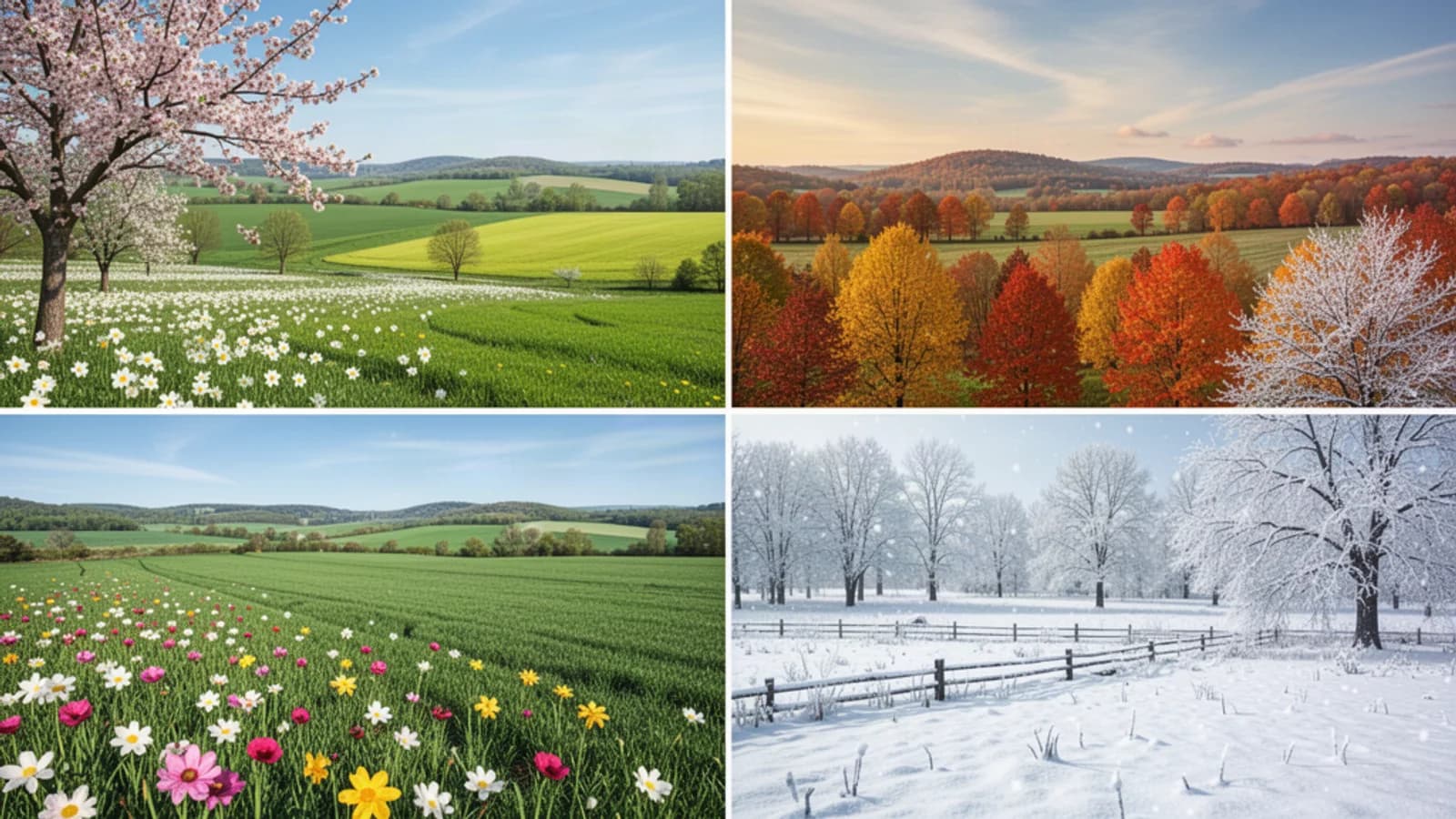
Seasonal Land Market Patterns
| Season | Demand | Prices | Negotiating Power | Best For |
|---|---|---|---|---|
| Winter (Dec-Feb) | Low | Lowest | Strongest | Buyers seeking deals |
| Spring (Mar-May) | Highest | Rising | Weakest | Sellers listing new inventory |
| Summer (Jun-Aug) | High | Peak | Weak | Recreational buyers |
| Fall (Sep-Nov) | Declining | Softening | Good | Hunters/end-of-year tax planners |
Why Winter Is the Best Time to Buy
Several factors align in winter to benefit buyers:
- Fewer competing buyers — most people don't think about buying land in winter. Less competition means less pressure to bid above asking price
- Motivated sellers — sellers with properties listed through fall may be increasingly motivated as they carry the property through year-end. Year-end tax planning also creates urgency
- Holiday pressure — sellers often want to close before year-end for tax reasons or to reduce carrying costs into the new year
- Stale listings — properties that sat through the peak summer/fall season are prime negotiation targets. Sellers know the market has spoken
Why Spring Is the Worst Time to Buy
- New listings flood the market — sellers list in spring to capture peak demand
- Building season starts — buyers planning construction want to close in spring and break ground
- Tax refund season — buyers have extra cash for down payments from tax refunds (February-April)
- Emotional buying — nice weather makes raw land look its best, driving impulse purchases at higher prices
Exception: Hunting Land
Hunting land follows an inverted pattern — demand peaks in late summer and early fall as hunters prepare for deer season. If you're buying hunting land, consider purchasing in late winter or early spring when hunting demand has subsided.
Timing Tips
- Research in fall, buy in winter — identify target properties during pleasant weather, then negotiate aggressively in December-February
- Look for price reductions — properties that have had one or more price drops are signaling seller motivation
- Check days on market — properties listed 90+ days are prime for negotiation
- Consider owner financing — sellers offering owner financing in winter may accept lower down payments or better terms to close a deal
Bottom Line
If you have flexibility on timing, start your land search in October and plan to make offers in December-February. Winter buying combines lower prices, less competition, and more motivated sellers — a combination that often gives buyers more room to negotiate than in spring.
Browse land listings and pricing on Acre Dreams. Check our county data pages for current market conditions.
Sources: NAR Seasonality Data, USDA Land Market surveys, Acre Dreams listing data patterns August 2026.