Everything you need to know about purchasing vacant land in Wisconsin — geography, tax benefits, land types, financing, and due diligence.
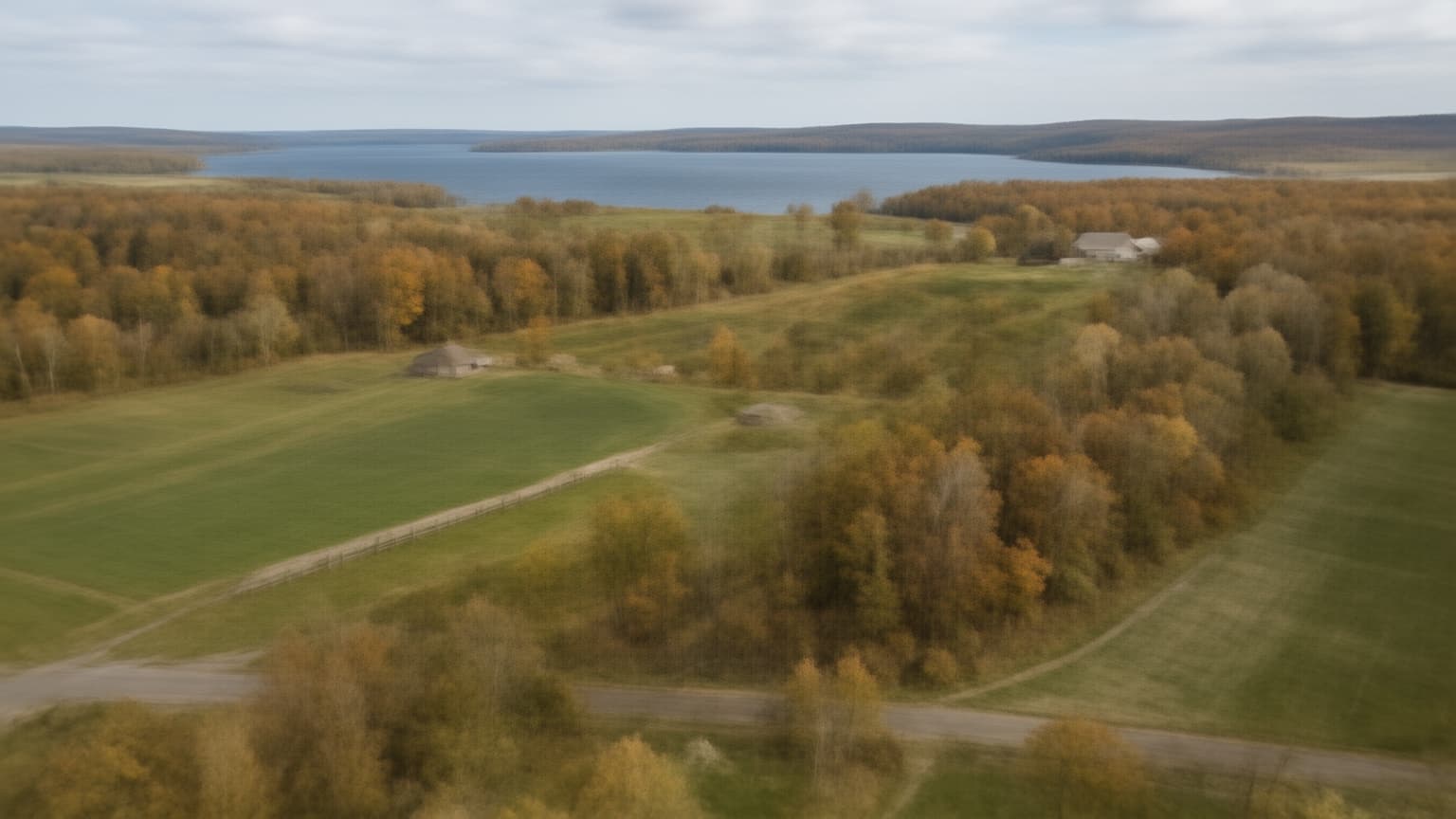
Wisconsin combines affordable rural land with the natural beauty of the Upper Midwest, offering a landscape of rolling dairy farmland, dense hardwood and conifer forests, over 15,000 lakes, and thousands of miles of trout streams. The state's northern counties (Bayfield, Ashland, Price, Oneida) feature vast wooded tracts ideal for hunting and recreation, while the central sand counties provide affordable buildable acreage. Southern Wisconsin's fertile soils support productive agricultural operations and hobby farms within commuting distance of Madison and Milwaukee. Per-acre prices range dramatically by region and land type, from affordable remote northern timber tracts to productive southern farmland at premium prices. Wisconsin's Managed Forest Law (MFL) program can significantly reduce property taxes on enrolled forestland, making timber ownership more tax-efficient. The state has no estate tax for estates under the federal threshold, and its homestead property tax credit can reduce taxes on owner-occupied land. With four distinct seasons, Wisconsin appeals to buyers seeking hunting land (the state has a strong whitetail deer hunting tradition), recreational property near lakes and rivers, hobby farms, and affordable rural homesteads.
Timberland (northern hardwoods
aspen-birch
conifer stands)
Tillable farmland (corn
soybeans
dairy -- southern Wisconsin)
Hunting and recreational land (deer
bear
turkey
grouse)
Lakefront and waterfront parcels (15
000+ lakes)
Pastureland and hobby farms
Residential rural acreage
homestead sites
Mixed-use parcels
timber + recreation + homesite
Cranberry marshland
central Wisconsin
There are currently 2 parcels available across 1 county, totaling 22 acres.
$7,636
Avg $/Acre
1
County
100%
Offer Financing
22
Total Acres
| County | Listings | Avg $/Acre | Avg Price |
|---|---|---|---|
| Polk | 2 | $7,636 | $84,000 |
Owner financing is one of the most buyer-friendly aspects of the vacant land market. The seller acts as the lender — you make a down payment and monthly payments directly to them, with no bank approval required. Currently, 100% of Wisconsin listings on Acre Dreams offer owner financing.
Owner financing makes land ownership accessible even if you don't qualify for a traditional mortgage. Look for the “Owner Financing Available” badge when browsing listings.
Before purchasing any land in Wisconsin, complete these essential steps to protect your investment:
Check Wisconsin county assessor records to confirm the seller is the legal owner. Get a title search to uncover liens, easements, or encumbrances. For purchases over $5,000, title insurance is recommended.
Verify the property has legal road access — either public road frontage or a recorded easement. Use satellite imagery to confirm physical access matches legal descriptions. In rural Wisconsin, some parcels may be landlocked.
Contact the county planning department to confirm permitted uses. Can you build? Are manufactured homes allowed? What are setback requirements? Zoning rules vary by county in Wisconsin.
Check FEMA flood maps for the parcel. Zone X means minimal risk. Zones A and AE carry higher flood risk and may require insurance for structures.
Check the county tax collector for current annual taxes and any delinquent amounts. Vacant land taxes are typically low, making land one of the cheapest assets to hold long-term.
Wisconsin offers diverse landscapes from northern forests to southern farmland, with tax incentives through the Managed Forest Law (MFL) program that can reduce forestland taxes meaningfully. The state has no estate tax for most estates, excellent hunting opportunities, over 15,000 lakes, and affordable acreage in many northern and central counties. Owner financing is available on many parcels. As with any land purchase, due diligence — including verifying zoning, access, MFL enrollment status, and tax obligations — is essential before buying.
The Managed Forest Law (MFL) is Wisconsin's primary forestland tax incentive program. Landowners with qualifying contiguous acreage of productive forestland can enroll for a multi-year term, choosing between Open (public access required, lower tax rate) and Closed (no public access, higher rate) designations. In exchange, enrolled landowners follow a forest management plan prepared by a certified forester. A yield tax applies when timber is harvested. MFL can significantly reduce annual carrying costs on wooded parcels compared to standard property tax rates. Program rates, acreage requirements, and enrollment terms are set by the Wisconsin DNR and can change. Contact the Wisconsin DNR or a certified consulting forester to understand current MFL rates, eligibility, and any obligations that would transfer with a property purchase.
Northern Wisconsin (Oneida, Vilas, Bayfield counties) offers wooded and lakefront parcels ideal for hunting camps and recreation. Central Wisconsin (Adams, Waushara, Marquette counties) has affordable sandy-soil parcels suitable for building. Western Wisconsin (Dunn, Pepin, Buffalo counties) features scenic bluffs and river valleys. Southern Wisconsin farmland tends to be more expensive but most productive. The best area depends on whether you prioritize price, recreation, farming, or proximity to metro areas like Madison and Milwaukee.
Wisconsin generally permits hunting on private land during established seasons with valid tags and licenses. The state is one of America's premier whitetail deer hunting destinations, with archery, crossbow, muzzleloader, and gun seasons typically spanning fall through early winter. However, whether you can hunt on a specific parcel depends on several factors: county or municipal ordinances (some restrict firearm discharge near residences), deed restrictions or covenants, property size and proximity to neighboring structures, and any conservation easement restrictions. Hunting regulations — including season dates, bag limits, tag availability, and unit-specific rules — are set annually by the Wisconsin Department of Natural Resources and can change. Contact Wisconsin DNR and your county government to confirm current rules for any property you are considering.
Wisconsin winters are significant — expect cold temperatures and substantial snowfall, particularly in northern counties. This affects road access (some seasonal roads are not maintained in winter), well and foundation design (frost line depth varies by region), building costs (insulation and foundation requirements are more stringent), and utility access. Many hunting camps and recreational properties are designed for seasonal use. However, winter also brings snowmobiling, ice fishing, and cross-country skiing. If you plan to live on the property year-round, verify that the road is publicly maintained, confirm year-round utility access, and budget for snow removal.
Browse available properties across 1 counties in Wisconsin. Many offer owner financing with no credit check.
Browse Wisconsin Land