Everything you need to know about purchasing vacant land in Mississippi — geography, tax benefits, land types, financing, and due diligence.
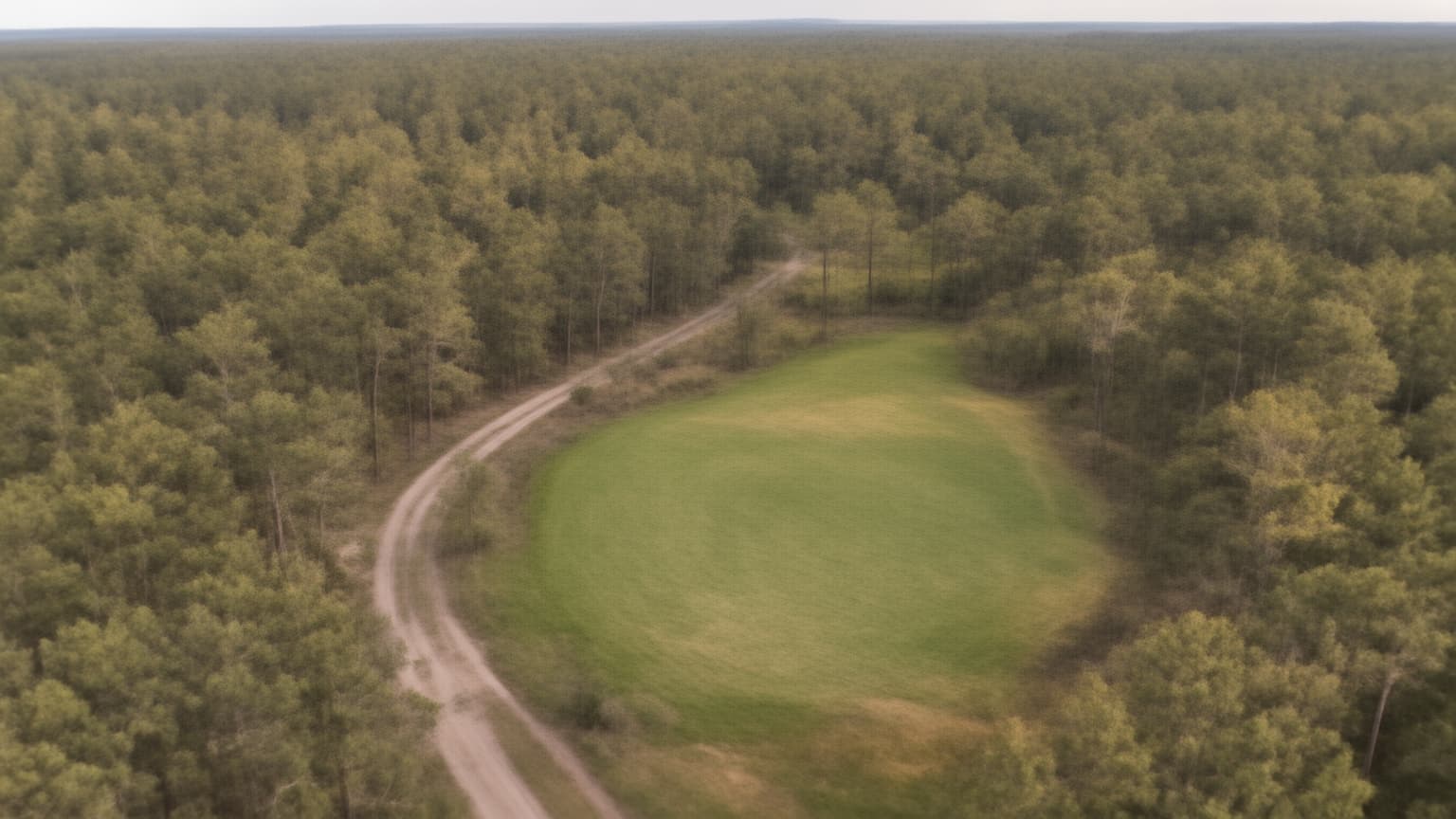
Mississippi consistently ranks as one of the most affordable states for land in the entire country, with per-acre prices well below the national average across most of its 82 counties. The state's landscape divides into distinct regions: the Mississippi Delta in the northwest (flat, incredibly fertile alluvial soil), the North Mississippi Hills (rolling terrain with hardwood timber), the Pine Belt running east-west through the southern half (dense longleaf and loblolly pine forest), and the Gulf Coast strip. Mississippi's 19.8 million acres of forestland (65% of total area) support an active timber industry, and the state's long growing season (210-270 frost-free days) enables year-round food plots, timber growth, and agricultural production. Property taxes are among the lowest in the nation, with agricultural and timber land assessed at a fraction of market value under the state's True Value system. The state has no estate tax. With 55-65 inches of annual rainfall, a mild winter climate, and some of the most affordable large-acreage tracts remaining in the Southeast, the state appeals to buyers seeking hunting land, timber investment, homestead acreage, and agricultural operations.
Timberland (longleaf pine
loblolly pine plantation
mixed hardwood-pine)
Delta agricultural land (soybeans
rice
cotton
corn on alluvial soil)
Pastureland and cattle ranches
Hunting and recreational land (deer
turkey
waterfowl
dove)
Pine Belt tracts
managed timber + hunting
Bottomland hardwood
river and creek corridors
Residential rural acreage
homestead sites
Mixed-use parcels
timber + pasture + recreation
There are currently 2 parcels available across 1 county, totaling 15 acres.
$5,600
Avg $/Acre
1
County
100%
Offer Financing
15
Total Acres
| County | Listings | Avg $/Acre | Avg Price |
|---|---|---|---|
| Prentiss | 2 | $5,600 | $42,000 |
Owner financing is one of the most buyer-friendly aspects of the vacant land market. The seller acts as the lender — you make a down payment and monthly payments directly to them, with no bank approval required. Currently, 100% of Mississippi listings on Acre Dreams offer owner financing.
Owner financing makes land ownership accessible even if you don't qualify for a traditional mortgage. Look for the “Owner Financing Available” badge when browsing listings.
Before purchasing any land in Mississippi, complete these essential steps to protect your investment:
Check Mississippi county assessor records to confirm the seller is the legal owner. Get a title search to uncover liens, easements, or encumbrances. For purchases over $5,000, title insurance is recommended.
Verify the property has legal road access — either public road frontage or a recorded easement. Use satellite imagery to confirm physical access matches legal descriptions. In rural Mississippi, some parcels may be landlocked.
Contact the county planning department to confirm permitted uses. Can you build? Are manufactured homes allowed? What are setback requirements? Zoning rules vary by county in Mississippi.
Check FEMA flood maps for the parcel. Zone X means minimal risk. Zones A and AE carry higher flood risk and may require insurance for structures.
Check the county tax collector for current annual taxes and any delinquent amounts. Vacant land taxes are typically low, making land one of the cheapest assets to hold long-term.
Mississippi offers some of the lowest per-acre prices in the Southeast, combined with very low property taxes, no estate tax, and a long growing season. The state has excellent hunting opportunities, active timber markets, and 65% forest cover. Owner financing is widely available, and large tracts are still obtainable at reasonable prices. As with any land purchase, due diligence — including verifying flood zones, access, zoning, and tax status — is essential before buying.
Mississippi consistently ranks among the most affordable states for rural land. Timber and hunting tracts in many areas can be found at significantly lower per-acre prices than comparable parcels in neighboring Alabama, Georgia, or Tennessee. Agricultural Delta land tends to be more expensive due to its productivity. Property taxes compound the affordability — rural timber parcels generally carry very low annual tax obligations. Actual prices depend on location, parcel size, timber value, road access, and proximity to towns.
Mississippi taxes agricultural and timber land at a percentage of assessed value (known as True Value), with local millage rates varying by county. Rural and timber parcels generally carry low annual tax obligations relative to other states, though the exact amount depends on your county's millage rate, the property's classification, and current assessment rules. A homestead exemption may further reduce taxes for owner-occupied property. Tax rates and assessment methods can change over time. Contact your county tax assessor's office to get current rates for a specific parcel.
Mississippi generally permits hunting on private land during established seasons with a valid state hunting license. The state is regarded as a premier destination for whitetail deer and turkey hunting, with seasons typically spanning fall through winter. However, whether you can hunt on a specific parcel depends on several factors: county or municipal ordinances (some restrict firearm discharge near residences), deed restrictions or covenants, property size and proximity to neighboring structures, and any conservation easement or wetland restrictions. Hunting regulations — including season dates, bag limits, and legal methods — are set annually by the Mississippi Department of Wildlife, Fisheries, and Parks and can change. Contact MDWFP and your county government to confirm current rules for any property you are considering.
Flood risk varies dramatically by location. The Mississippi Delta (Yazoo Basin) is the highest-risk area, protected by levees but subject to backwater flooding during major river events. The Pine Belt and hill country generally have lower flood exposure, though creek bottoms can flood seasonally. Always check FEMA Flood Insurance Rate Maps for specific parcels before purchasing. Elevated ridge land and well-drained pine sites typically avoid flood designation. Flood insurance is required for structures in FEMA-designated flood zones. A local surveyor or real estate attorney can help you assess flood risk for a specific property.
Browse available properties across 1 counties in Mississippi. Many offer owner financing with no credit check.
Browse Mississippi Land