Everything you need to know about purchasing vacant land in Florida — geography, tax benefits, land types, financing, and due diligence.
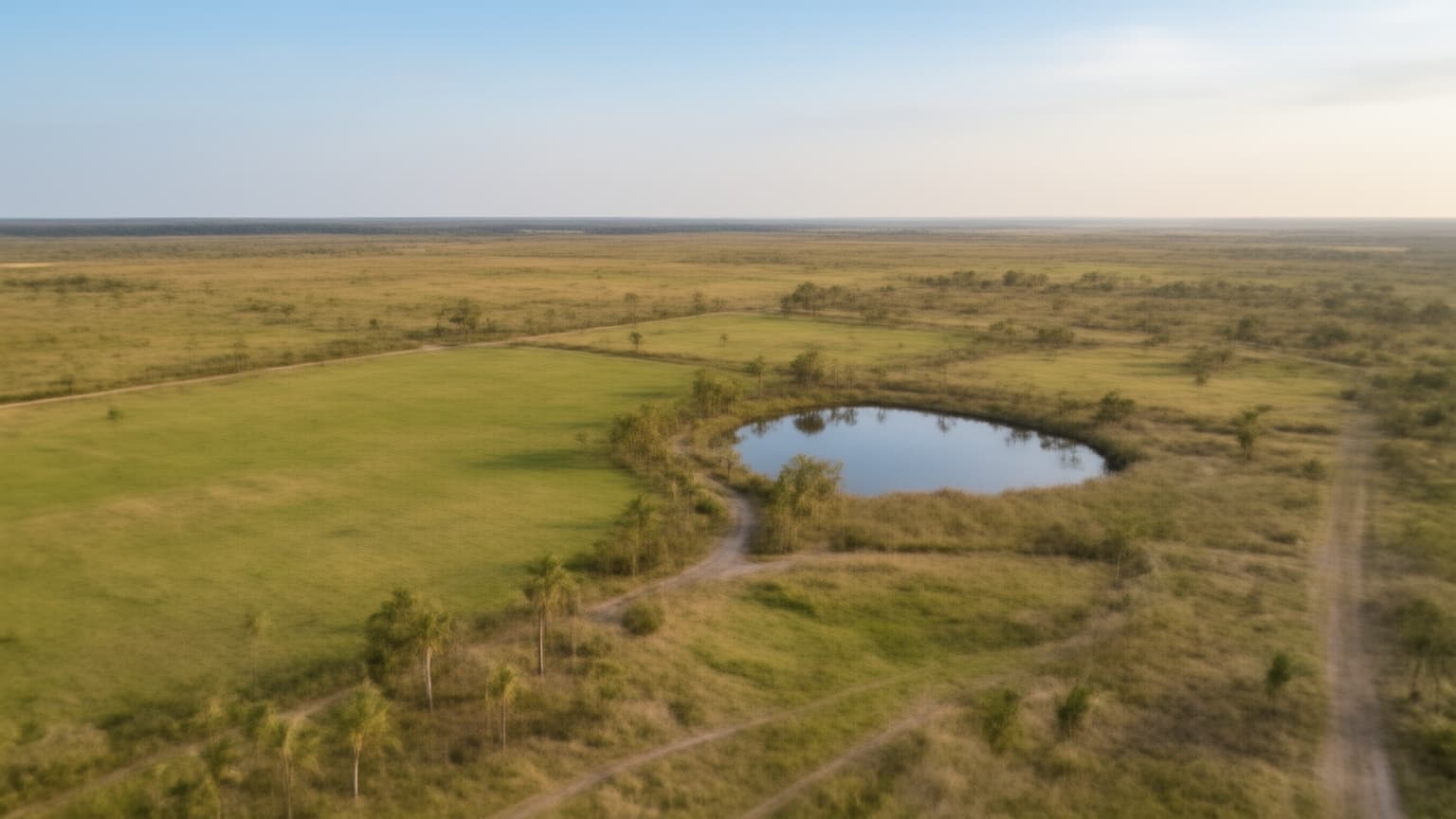
Florida's land market is unlike any other state -- driven by strong population growth, a favorable tax environment, and a subtropical climate that supports year-round outdoor activity. While coastal and metro-adjacent parcels command premium prices, inland Florida offers surprising affordability in its vast agricultural and ranchland corridors. The state's interior stretches from the rolling hills of north-central Florida (Alachua, Marion, Levy counties) through the flat cattle-ranching prairies of central Florida (Osceola, Okeechobee, Highlands counties) to the sawgrass and wetland landscapes near the Everglades. Florida has no state income tax and no estate tax, making it one of the most tax-friendly states for property owners. Agricultural land may qualify for the Agricultural Classification, which can meaningfully reduce property taxes by assessing parcels based on agricultural use value rather than development value. With 54-62 inches of annual rainfall, a growing season that ranges from 270 days in the north to year-round in the south, and strong demand for everything from ranchland to recreational parcels, Florida land serves buyers seeking homesteads, mini-farms, hunting camps, cattle operations, citrus groves, and long-term investment positions in one of America's fastest-growing states.
Ranchland and cattle pasture
central and south Florida prairie
Agricultural cropland (vegetables
citrus
sugarcane
hay)
Timberland (slash pine plantation
cypress
oak hammock)
Hunting and recreational land (deer
turkey
hog
waterfowl)
Residential rural acreage
homestead and mini-farm sites
Horse properties and equestrian land
Ocala/Marion County corridor
Wetland-adjacent parcels (duck hunting
conservation)
Wooded upland parcels
north Florida hills and hardwood forest
There is currently 1 parcel available across 1 county, totaling 1 acres.
$35,000
Avg $/Acre
1
County
100%
Offer Financing
1
Total Acres
| County | Listings | Avg $/Acre | Avg Price |
|---|---|---|---|
| Washington | 1 | $35,000 | $35,000 |
Owner financing is one of the most buyer-friendly aspects of the vacant land market. The seller acts as the lender — you make a down payment and monthly payments directly to them, with no bank approval required. Currently, 100% of Florida listings on Acre Dreams offer owner financing.
Owner financing makes land ownership accessible even if you don't qualify for a traditional mortgage. Look for the “Owner Financing Available” badge when browsing listings.
Before purchasing any land in Florida, complete these essential steps to protect your investment:
Check Florida county assessor records to confirm the seller is the legal owner. Get a title search to uncover liens, easements, or encumbrances. For purchases over $5,000, title insurance is recommended.
Verify the property has legal road access — either public road frontage or a recorded easement. Use satellite imagery to confirm physical access matches legal descriptions. In rural Florida, some parcels may be landlocked.
Contact the county planning department to confirm permitted uses. Can you build? Are manufactured homes allowed? What are setback requirements? Zoning rules vary by county in Florida.
Check FEMA flood maps for the parcel. Zone X means minimal risk. Zones A and AE carry higher flood risk and may require insurance for structures.
Check the county tax collector for current annual taxes and any delinquent amounts. Vacant land taxes are typically low, making land one of the cheapest assets to hold long-term.
Florida offers several advantages for land buyers, including no state income tax, no estate tax, and an Agricultural Classification that can meaningfully reduce property taxes on qualifying land. Population growth drives steady demand across much of the state. Inland areas remain more affordable while coastal and metro-adjacent parcels tend to appreciate faster. Owner financing is available on many rural parcels. As with any land purchase, thorough due diligence — especially regarding flood zones, wetlands, and access — is essential before buying in Florida.
Florida's Agricultural Classification (commonly called the Ag Exemption) assesses qualifying land at its agricultural use value rather than market value, which can significantly reduce annual property taxes on eligible parcels. To qualify, the land must be used primarily for bona fide agricultural purposes. Applications are filed annually with the county property appraiser. Eligibility requirements, qualifying uses, application deadlines, and the extent of tax savings vary by county and can change over time. If you are considering purchasing land that currently holds or could qualify for an agricultural classification, consult the county property appraiser's office or a local tax professional to understand current requirements and potential savings.
The primary risks are flood exposure, wetlands restrictions, and access. Many Florida parcels contain jurisdictional wetlands regulated by the Army Corps of Engineers and state water management districts — development on wetlands requires permits that may be denied. Flood zones (A, AE, VE) require flood insurance for structures. Some rural parcels lack legal road access or utilities. Always conduct a wetlands assessment, check FEMA flood maps, verify legal access, and confirm septic suitability (perc test) before purchasing. Working with a local real estate attorney and a surveyor familiar with the area is strongly recommended.
Florida generally permits hunting on private land during established seasons with a valid state hunting license. The state is known for diverse hunting opportunities, including deer, turkey, wild hog, and alligator. However, whether you can hunt on a specific parcel depends on several factors: county or municipal ordinances (some restrict firearm discharge near residences), deed restrictions or HOA rules, property size and proximity to neighboring structures, and any wetland or conservation area restrictions — which are particularly relevant in Florida given the prevalence of jurisdictional wetlands. Hunting regulations, season dates, bag limits, and permit requirements are set annually by the Florida Fish and Wildlife Conservation Commission and can change. Contact FWC and your county government to confirm current rules for any property you are considering.
The most affordable large-acreage tracts tend to be found in north-central Florida, the central interior, and parts of the northern Panhandle. These areas offer wooded, agricultural, and ranch parcels at significantly lower per-acre prices than coastal or metro-adjacent counties. In general, the further from major metro areas and the coastline, the more affordable the land. Prices vary widely by county, parcel size, road access, and utility availability, so comparing specific listings across regions is the best way to find value that matches your goals.
Browse available properties across 1 counties in Florida. Many offer owner financing with no credit check.
Browse Florida Land